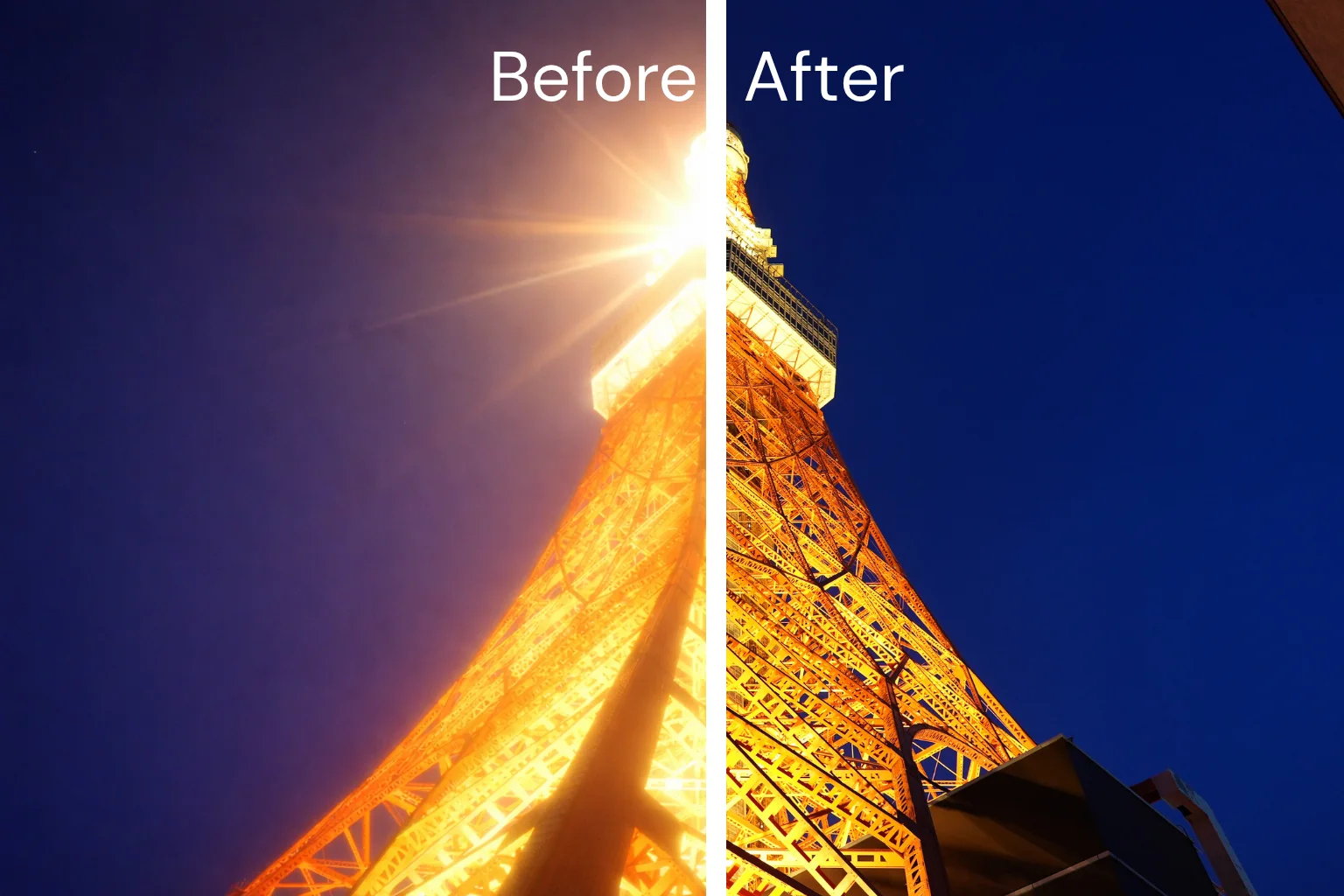
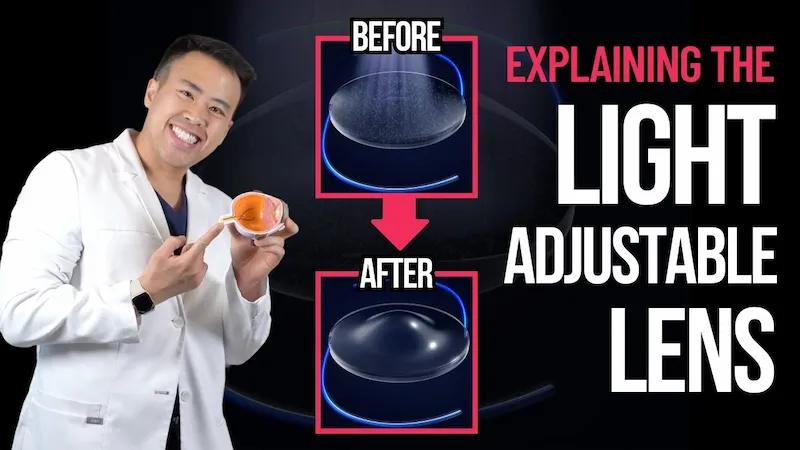
The only FDA-approved intraocular lens that can be customized after implantation. Once your eye heals, Dr. Tran uses a series of UV light treatments to fine-tune your prescription — adjusting and refining until your vision is exactly where you want it. Only then is the lens permanently locked in.

A premium lens engineered to correct astigmatism at the time of cataract surgery — so you are not dependent on glasses or contacts to compensate for it afterward. Not all patients with astigmatism need a toric lens, and not all toric lenses are equal. Dr. Tran will measure your cornea precisely and tell you whether the tradeoff is worth it for your specific prescription and lifestyle.

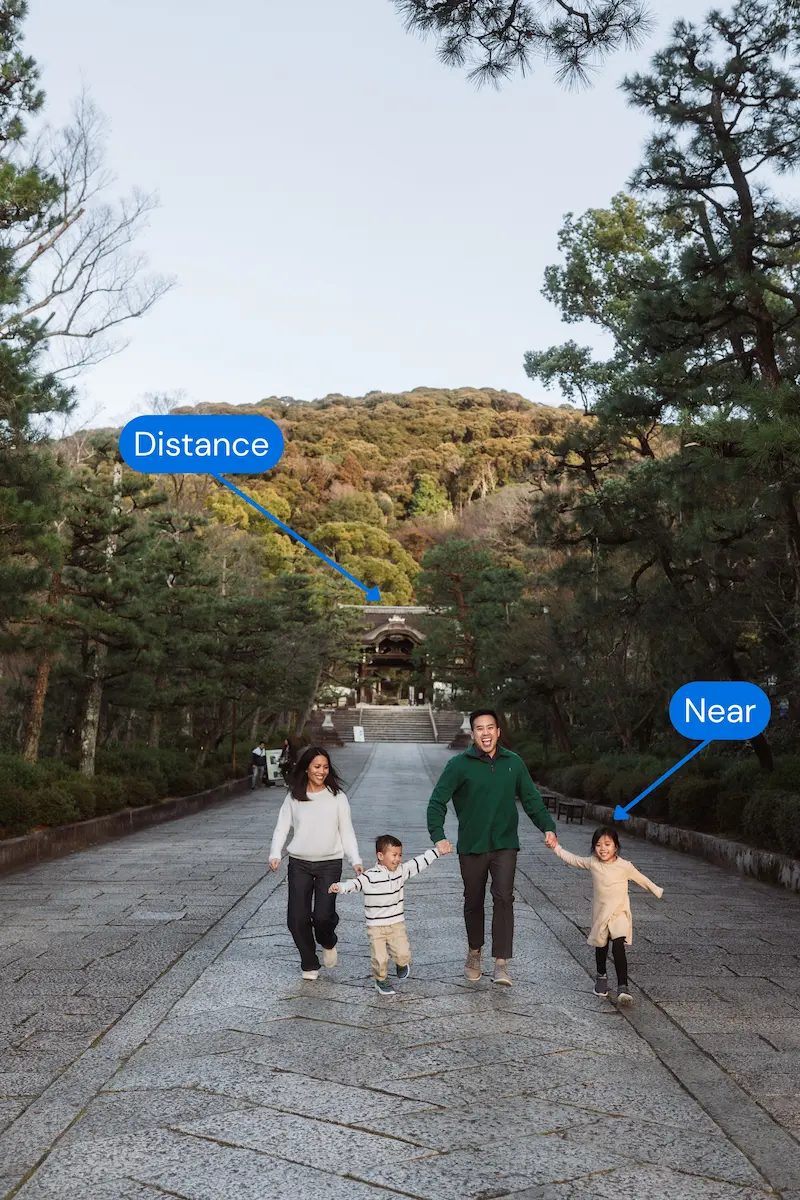
A premium lens designed to restore vision at near, intermediate, and distance — reducing or eliminating your need for glasses entirely. Not every patient is a candidate, and results depend on your eyes, your lifestyle, and your expectations. Dr. Tran will tell you honestly whether a multifocal lens is right for you and exactly what to expect before you ever commit to a decision.

A computer-guided laser that replaces the most technically demanding steps of cataract surgery with sub-micron precision. Ideal for patients who want the most controlled, reproducible surgical outcome available. The result is more predictable vision, faster healing, and reduced energy delivered to the eye.


Medicare and most insurance plans cover the base cataract surgery at no cost to you — including the surgeon's fee, facility, anesthesia, and a standard monofocal lens. If you choose to upgrade to a premium lens such as the Light Adjustable Lens, a multifocal, or a toric lens, that upgrade involves an additional out-of-pocket investment not covered by insurance. Femtosecond laser assistance is also an elective upgrade with a separate cost. Dr. Tran's team provides a clear, itemized breakdown of exactly what insurance covers and what you would pay before you make any decisions.

Standard cataract surgery — which removes the cloudy lens and replaces it with a basic monofocal lens — is covered by Medicare and most insurance plans. The surgery itself is paid for; what insurance does not cover is the upgrade to a premium lens. Premium options like multifocal, toric, and Light Adjustable Lenses involve an out-of-pocket cost because they go beyond what insurance considers medically necessary. That upgrade cost is what buys you the potential to see clearly at multiple distances, correct astigmatism, or fine-tune your vision after surgery — things a standard lens simply cannot do.

The Light Adjustable Lens is the only FDA-approved intraocular lens that can be customized after it has been implanted in your eye. After initial healing, Dr. Tran uses a series of UV light treatments to fine-tune your prescription based on how your eye responds — then permanently locks in the result. This makes it ideal for patients who want the most precise visual outcome possible. Patients with the LAL must wear UV-protective glasses outdoors during the adjustment period.

Whether you need glasses after surgery depends largely on the lens you choose. With a standard monofocal lens, most patients still require reading glasses or glasses for certain distances. With multifocal or Light Adjustable Lenses, the majority of patients achieve significant glasses independence — especially for distance and intermediate tasks like driving and computer use. Dr. Tran will review your lifestyle and visual demands to recommend the lens most likely to give you the freedom you're looking for.

Most patients with cataracts are candidates for at least one premium lens option. The key factors are corneal health, pupil size, the degree of astigmatism, and the presence of other eye conditions such as macular degeneration or corneal irregularities. Patients with significant astigmatism are strong candidates for toric lenses, while patients seeking glasses freedom often do well with multifocal or Light Adjustable Lenses. The best way to know is a comprehensive diagnostic evaluation — Dr. Tran will review your exact measurements and give you a clear recommendation at your consultation.

Femtosecond laser-assisted cataract surgery uses a computer-guided laser to perform the most technically precise steps of the procedure — including the incisions, the capsulotomy, and lens fragmentation. This replaces manual blade techniques with sub-micron accuracy, resulting in more predictable outcomes and reduced ultrasound energy delivered to the eye. The laser does not change the type of lens used, but improves the accuracy of lens placement — particularly beneficial for patients with astigmatism or complex prescriptions. Dr. Tran offers femtosecond laser surgery at Stratus Eye as part of a premium surgical experience.

A toric lens is a type of intraocular lens engineered to correct astigmatism at the time of cataract surgery. Standard cataract surgery does not address astigmatism, which means many patients remain dependent on glasses or contact lenses even after their cataract is removed. Toric lenses are precisely aligned to counteract your specific astigmatism pattern, delivering sharper distance vision without glasses. Patients who have worn glasses their entire lives due to astigmatism are often excellent candidates for toric lenses.

Cataract surgery itself typically takes 10 to 15 minutes per eye. Most patients notice meaningfully improved vision within 24 to 48 hours of surgery. Full healing and final vision stabilization generally occurs over 2 to 4 weeks, with regular follow-up visits included in your care at Stratus Eye. Patients with the Light Adjustable Lens will have additional UV light adjustment appointments during the healing period before their vision is permanently locked in.

There is no single best lens for every patient — the right choice depends on your corneal shape, degree of astigmatism, pupil size, and the visual demands of your lifestyle. An avid golfer who wants to see the ball without glasses has different needs than a retired professional who primarily reads and drives. Dr. Tran reviews your full diagnostic results and discusses your daily activities and vision goals before making a recommendation. Most patients leave their consultation with a clear understanding of their best option.

Cataract surgery is one of the most commonly performed and safest surgical procedures in the world, with a strong track record of successful outcomes. At Stratus Eye, Dr. Tran uses femtosecond laser guidance and advanced diagnostic tools to maximize precision and minimize risk. As with any surgical procedure, there are potential risks including infection, inflammation, or changes in pressure — all of which Dr. Tran discusses with you in detail before surgery. The vast majority of patients experience significant vision improvement with no serious complications.

Yes — Medicare and most insurance plans cover the base cataract surgery in full when it is medically necessary, including the surgeon's fee, facility, anesthesia, and a standard monofocal lens. What insurance does not cover is the premium lens upgrade. Choosing a multifocal, toric, or Light Adjustable Lens involves an additional out-of-pocket cost because these lenses provide benefits — like glasses independence or astigmatism correction — that go beyond the medical standard of care. Dr. Tran's team handles all insurance coordination and gives you a complete picture of covered versus elective costs before you commit to anything.

Dr. Jeffrey Tran is a Castle Connolly Top Doctor and comprehensive ophthalmologist who completed his residency at the Cullen Eye Institute at Baylor College of Medicine — one of the top ophthalmology programs in the country. Stratus Eye offers the full menu of premium lens technologies including the Light Adjustable Lens, multifocal IOLs, toric lenses, and femtosecond laser-assisted surgery. Unlike high-volume cataract centers, every consultation at Stratus Eye is led personally by Dr. Tran — not delegated to technicians. Patients travel from across North Atlanta, including Johns Creek, Alpharetta, Duluth, and Cumming, for the level of care and precision Stratus Eye provides.


Stratus Eye is proud to serve cataract and vision patients from across the North Atlanta region. Whether you're coming from Suwanee, Johns Creek, Duluth, Alpharetta, Cumming, Buford, Sugar Hill, Gainesville, or Lawrenceville, our team is here to help you understand your options and take the next step toward clearer vision. Most patients travel 10–20 minutes from Johns Creek, Duluth, or Alpharetta for their consultation — and they tell us the visit alone was worth the drive.