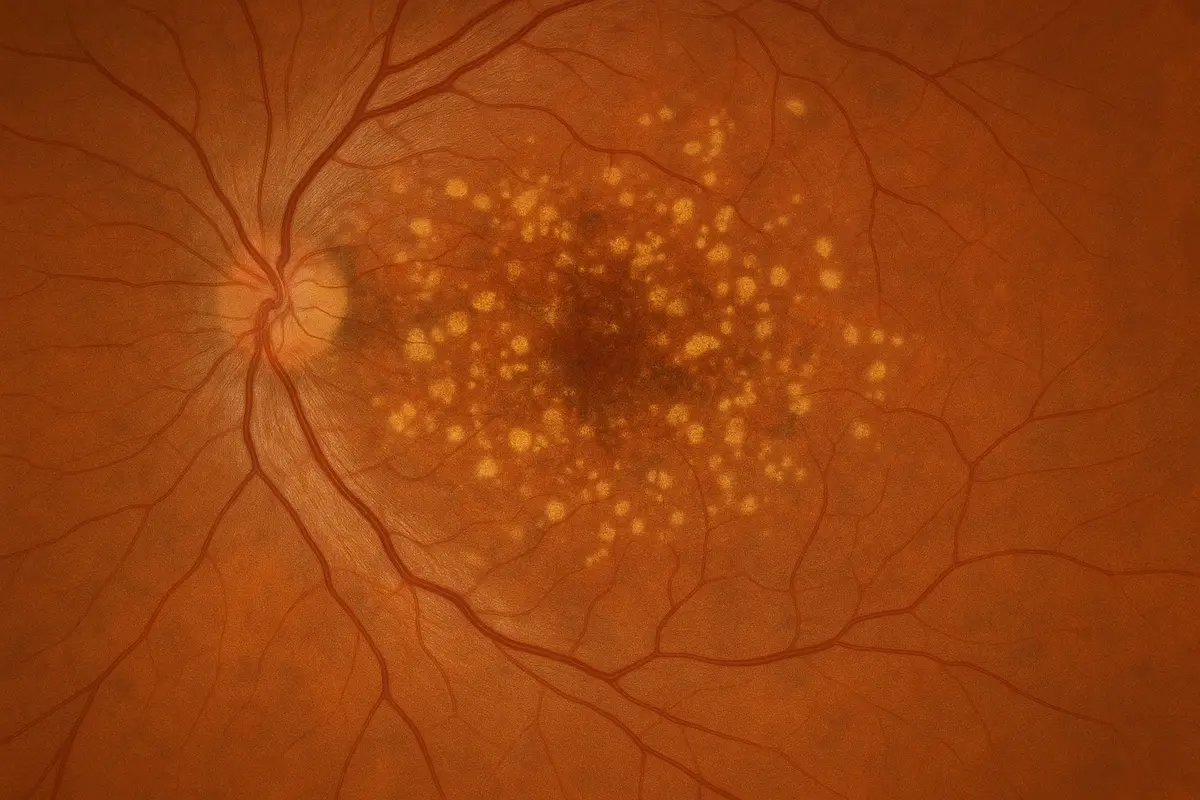
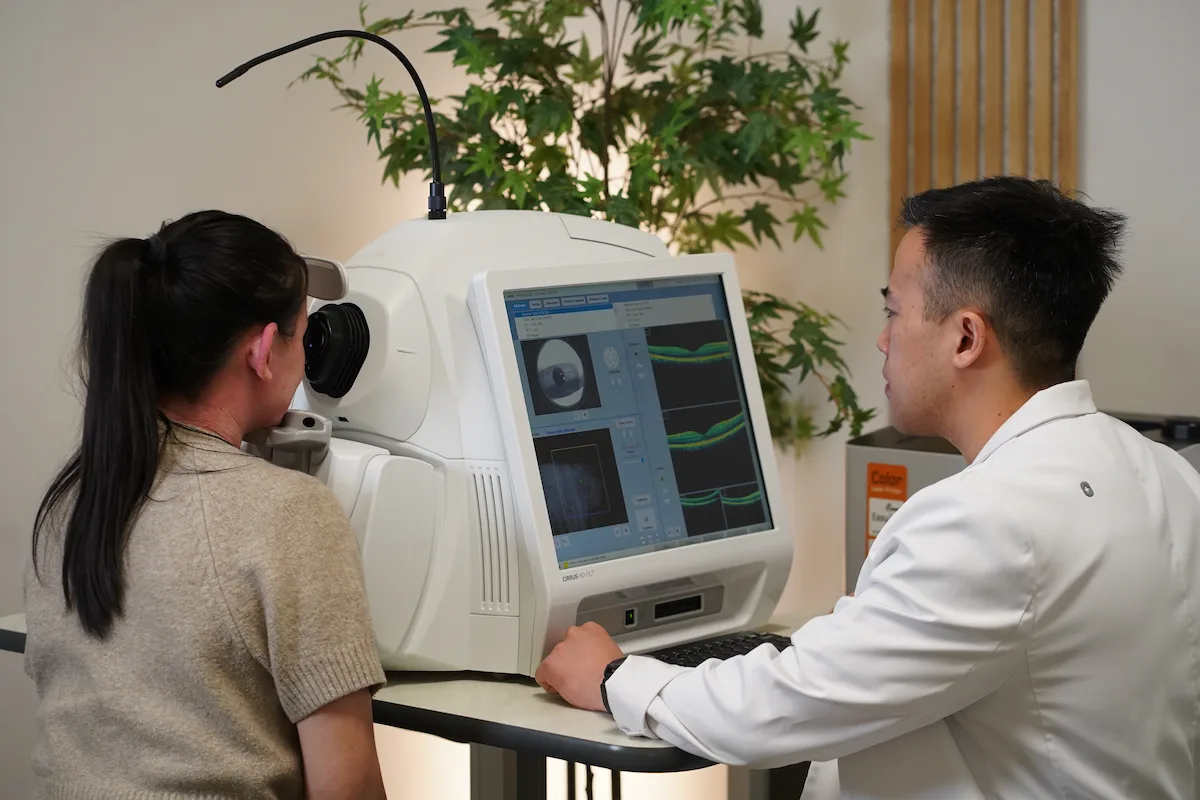
The gold standard for macular degeneration monitoring. OCT produces a precise, cross-sectional map of your macula — detecting drusen deposits, retinal thinning, and early fluid accumulation from abnormal blood vessels. Changes that are completely invisible during a standard eye exam are measurable here, often years before symptoms develop.

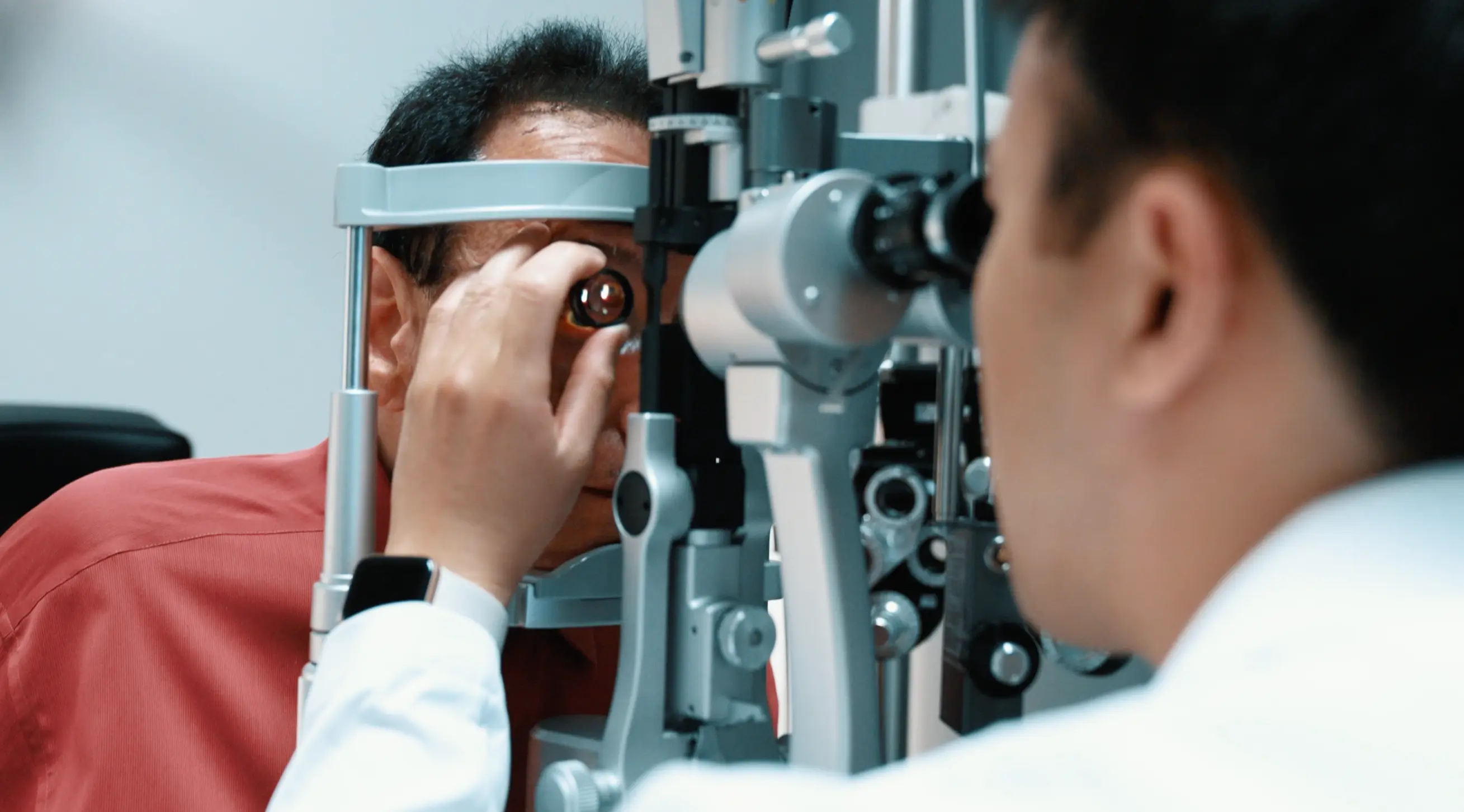
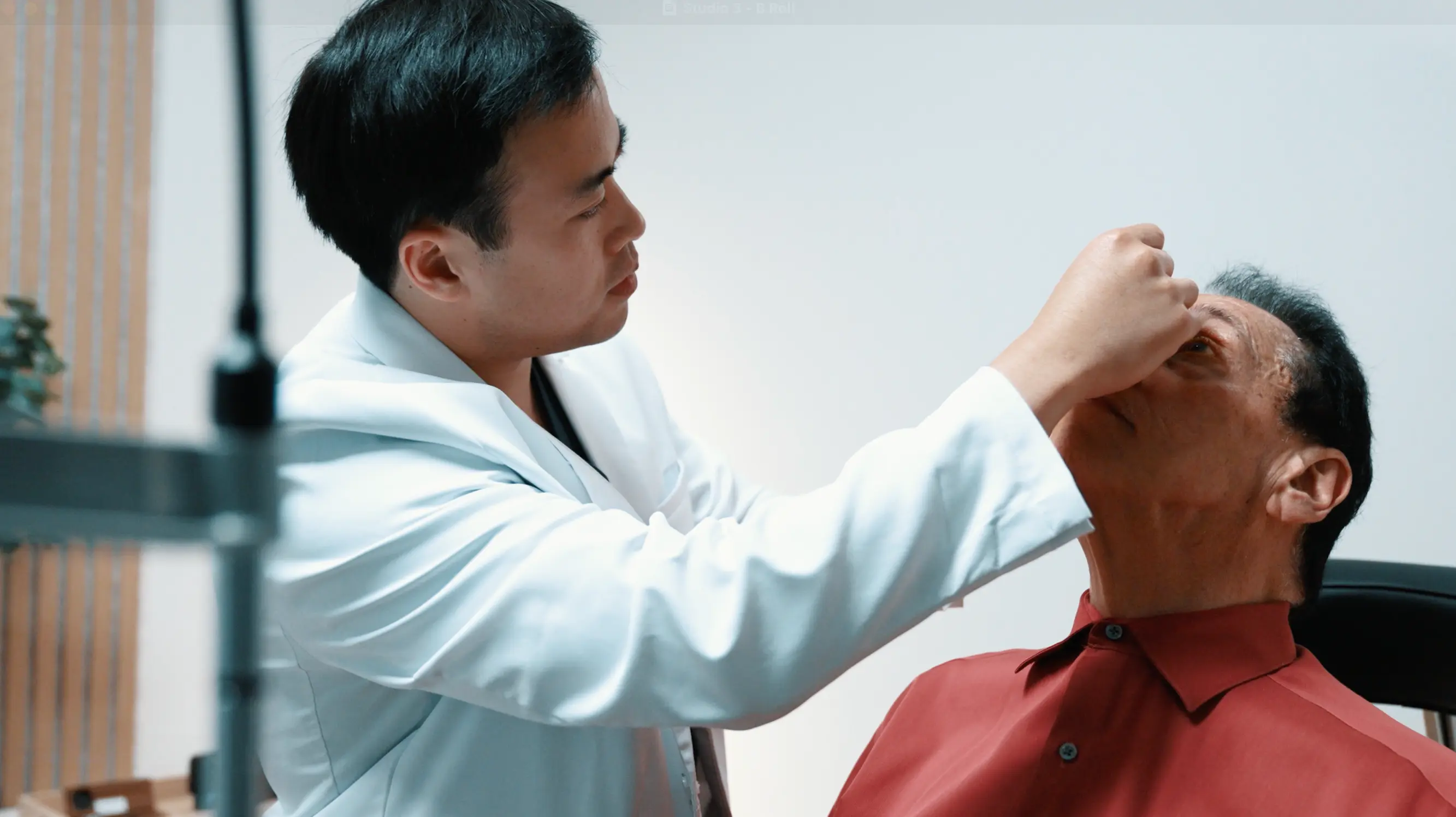
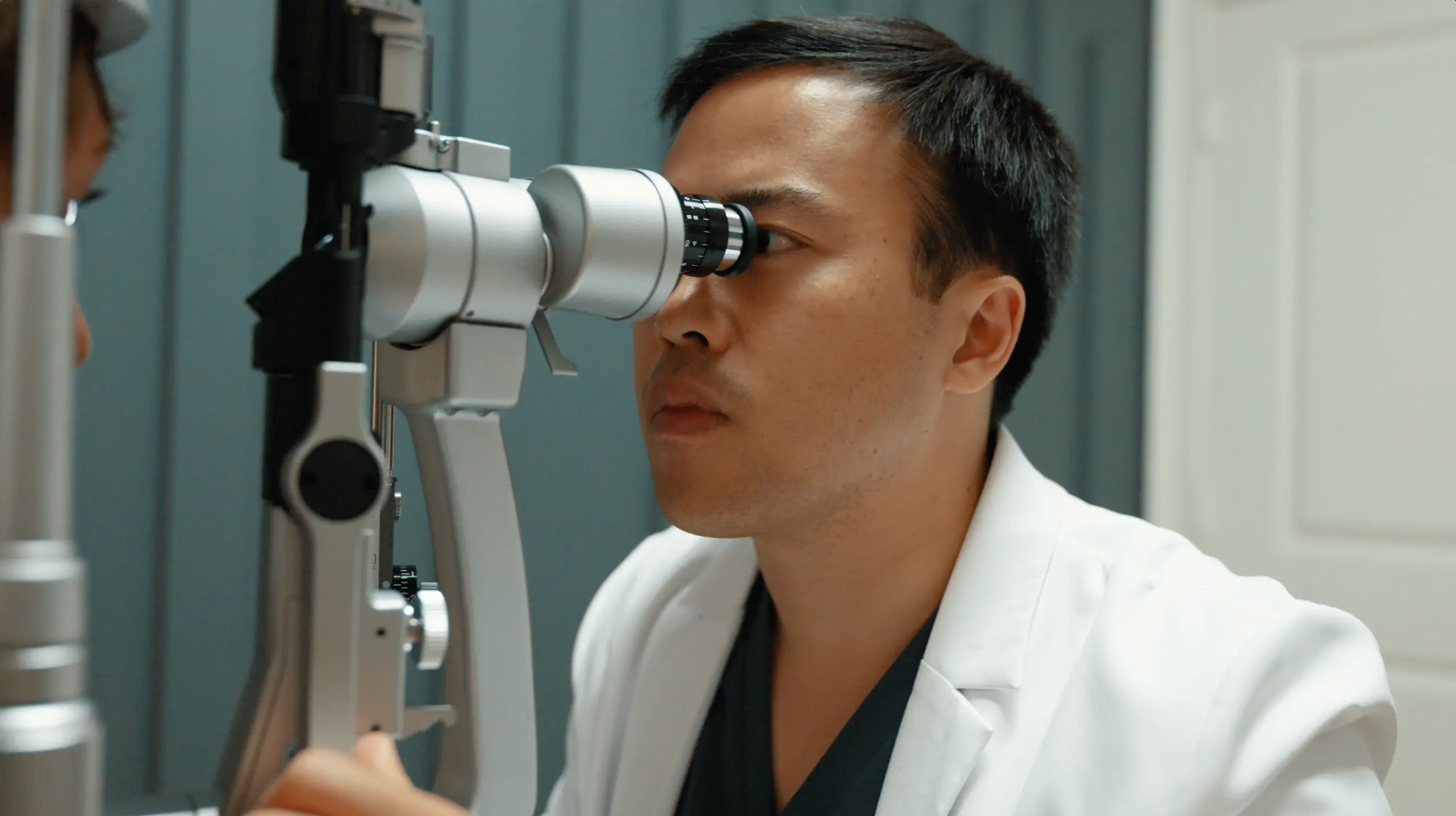
Dilation allows Dr. Tran to examine the full retina and macula directly — evaluating the health of retinal tissue, identifying drusen size and distribution, and assessing the optic nerve and peripheral retina in the same visit. No referral needed, no separate appointment. It's done in-office at every comprehensive exam.

AMD progression isn't entirely out of your control. At Stratus Eye, every AMD evaluation includes a direct conversation about the modifiable factors that influence how quickly the disease progresses — smoking cessation, cardiovascular health, UV protection, dietary patterns, and AREDS2 supplementation for patients with intermediate disease. Small changes, made early, can meaningfully slow what many patients assume is inevitable.

Between visits, you're not left guessing. Every AMD patient leaves Stratus Eye with an Amsler grid and clear instructions for home monitoring. If straight lines appear wavy, bent, or a blank spot develops in your central vision, that's a signal to call immediately — not to wait for your next scheduled appointment. Watch my video to learn about the Amsler grid.


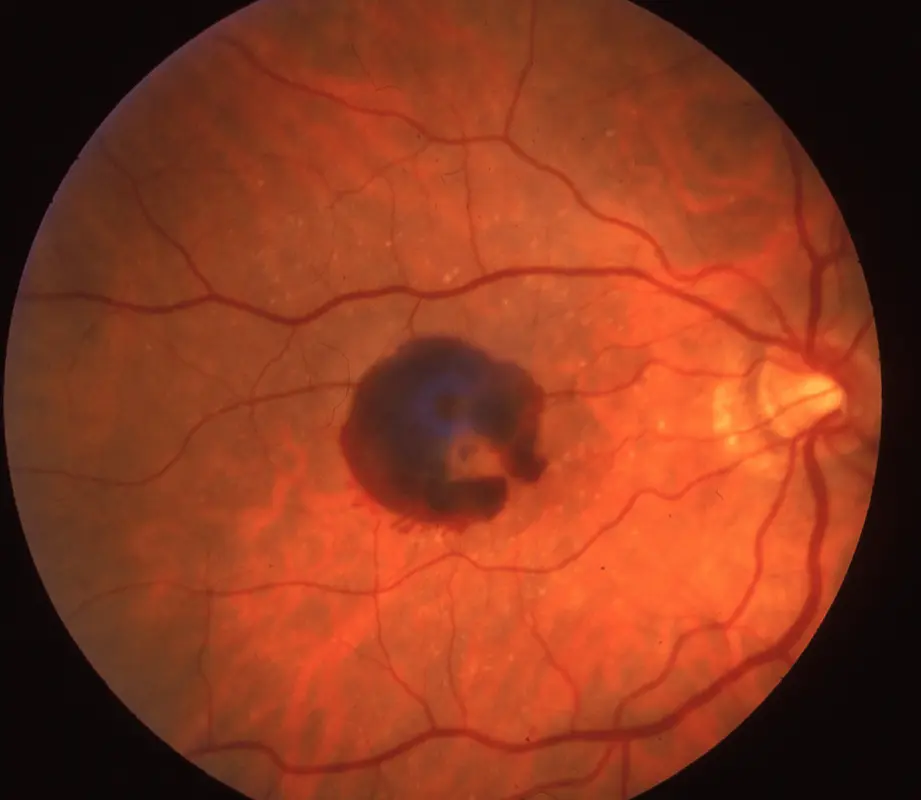
Dry AMD is the more common form, developing gradually as the macula thins and drusen deposits accumulate beneath the retina. Wet AMD is less common but more aggressive — abnormal blood vessels grow beneath the retina and leak fluid, causing rapid central vision loss. Most patients begin with dry AMD, and a percentage will convert to wet AMD over time. Regular monitoring is the only way to catch that conversion early.

Early AMD frequently has no symptoms at all. When symptoms do appear, the most common are subtle blurring of central vision, difficulty reading fine print, straight lines appearing slightly wavy or distorted, and colors appearing less vivid. Many patients first notice something is wrong when reading or recognizing faces becomes harder than it used to be.

Dry AMD has no cure, but progression can be slowed with monitoring, lifestyle modifications, and AREDS2 nutritional supplementation in eligible patients. Wet AMD responds well to anti-VEGF injections administered by a retina specialist — particularly when caught early. At Stratus Eye, we identify which stage you're at and connect you directly to the right care at the right time.

It depends on your stage. Patients with early dry AMD typically need annual comprehensive exams. Intermediate AMD warrants closer follow-up, often every 6 months. Any sudden change in central vision — new distortion, a blank spot, rapid blurring — should be evaluated immediately regardless of your scheduled appointment.

Yes — family history is one of the strongest risk factors for AMD. If a first-degree relative has been diagnosed, your risk is significantly elevated. This makes early baseline imaging and annual monitoring especially important, even before any symptoms develop.

Several modifiable factors influence progression. Stopping smoking is the single most impactful change — smokers have significantly higher risk of advanced AMD. Protecting your eyes from UV exposure, managing cardiovascular health, maintaining a healthy weight, and eating a diet rich in leafy greens and omega-3 fatty acids all play a meaningful role. For patients with intermediate AMD, AREDS2 supplementation has demonstrated clinical benefit.

AMD causes central vision loss, not total blindness. Peripheral vision is preserved. However, the loss of central vision significantly impacts quality of life — making reading, driving, recognizing faces, and performing detailed tasks increasingly difficult. This is why early detection and monitoring matter so much.

The Amsler grid is a simple home monitoring tool — a grid of straight lines with a dot in the center. You cover one eye and focus on the center dot. If any lines appear wavy, bent, or if a blank area appears, that's a signal to call your doctor immediately. Every AMD patient at Stratus Eye receives an Amsler grid and instructions for home monitoring.

A comprehensive dilated eye exam is recommended starting at age 50, or earlier if you have a family history of AMD, a history of smoking, or significant cardiovascular risk factors. Early screening establishes a baseline that makes future changes detectable long before they affect your vision.

Intravitreal injections for wet AMD are performed by retina specialists. At Stratus Eye, Dr. Tran evaluates, monitors, and manages AMD — and when intervention beyond monitoring is needed, he coordinates your referral directly to a trusted retina specialist and remains your primary eye care home base throughout.

Yes — and this is common, particularly in patients over 65. Cataracts and AMD are both age-related conditions that frequently coexist. At Stratus Eye, Dr. Tran evaluates both conditions at the same visit and helps you understand how each is affecting your vision and what the right sequence of care looks like.

Diagnosis is made through a comprehensive dilated eye exam and OCT imaging. Dilation allows direct examination of the macula and retina. OCT produces a cross-sectional map of retinal layers, detecting drusen deposits, thinning, and early fluid changes that aren't visible to the naked eye. Both are performed in-office at Stratus Eye.
Stratus Eye is proud to serve patients from across the North Atlanta region. Whether you're coming from Suwanee, Johns Creek, Duluth, Alpharetta, Cumming, Buford, Sugar Hill, Gainesville, or Lawrenceville, Dr. Tran provides comprehensive macular degeneration evaluations and ongoing monitoring — with the technology and clinical attention to catch changes early. Most patients tell us the peace of mind from a thorough eye exam was worth the drive.