What are cataracts? Do I need surgery?

If you've been told you have cataracts  or you've noticed your vision getting cloudier, glare that wasn't there before, or trouble reading in low light —you're in the right place.

This page walks through what cataracts actually are, what they do to your vision over time, and what surgery involves if and when you're ready. Most patients I see aren't sure what questions to ask yet. By the time you finish reading, you will be.
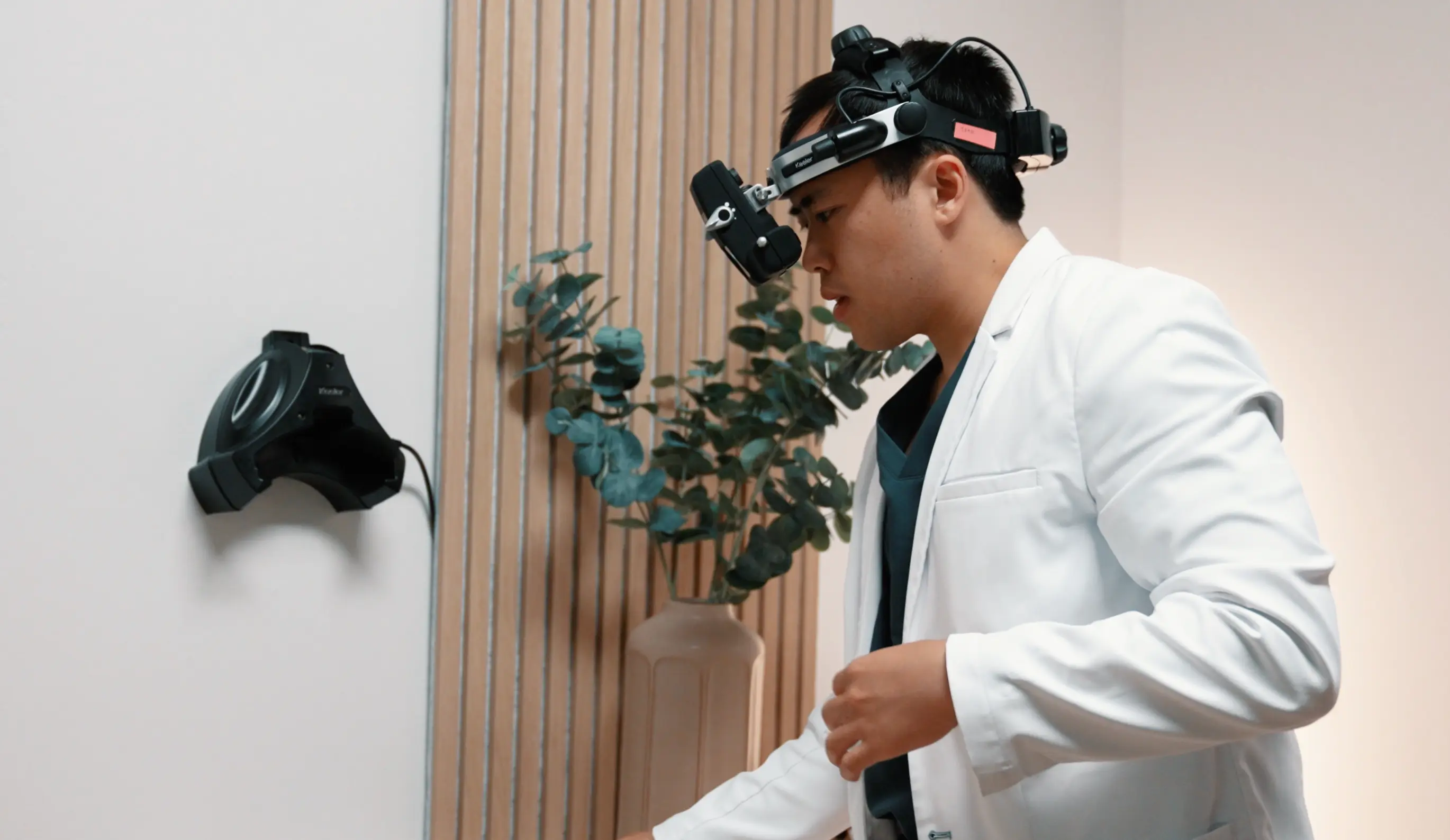
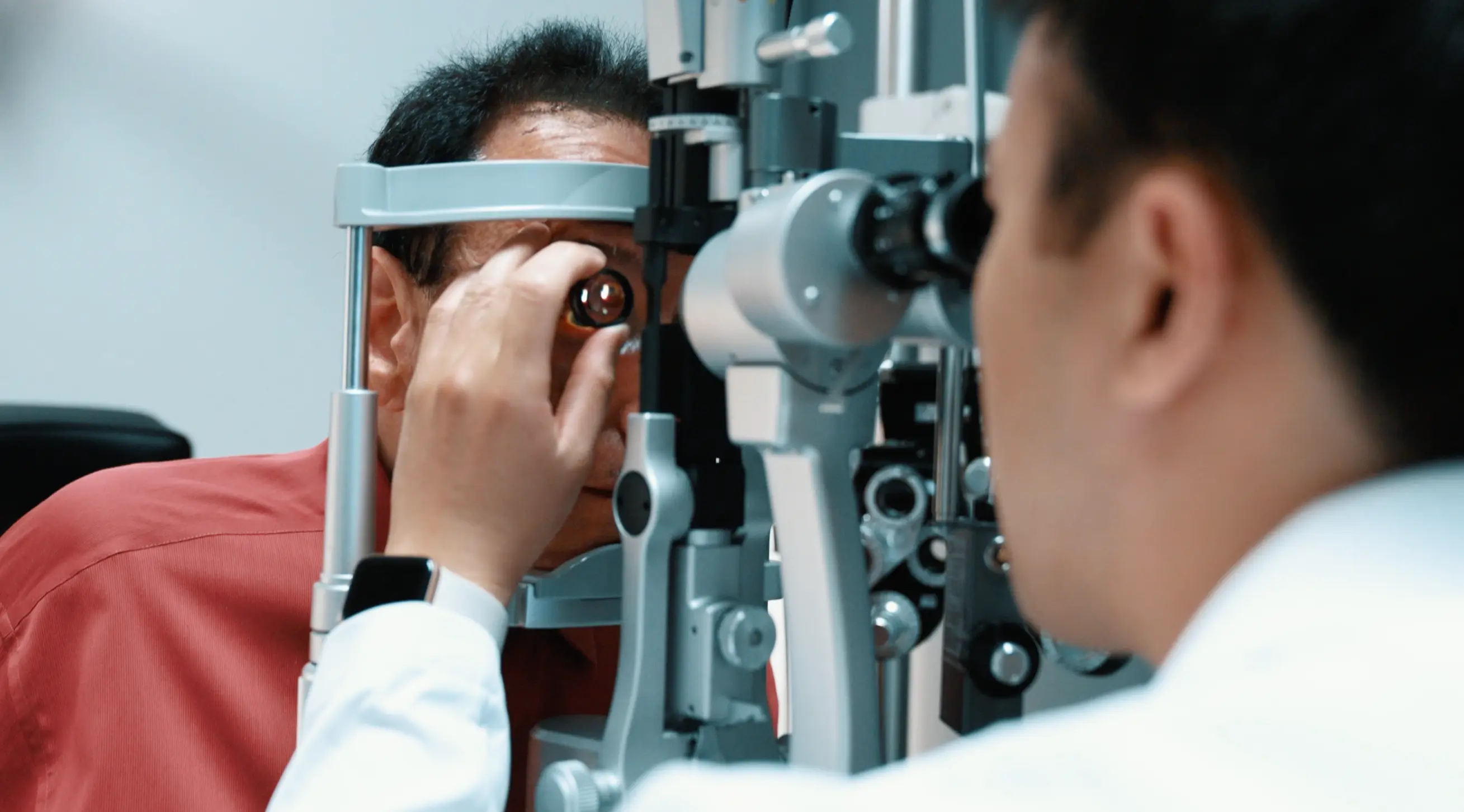
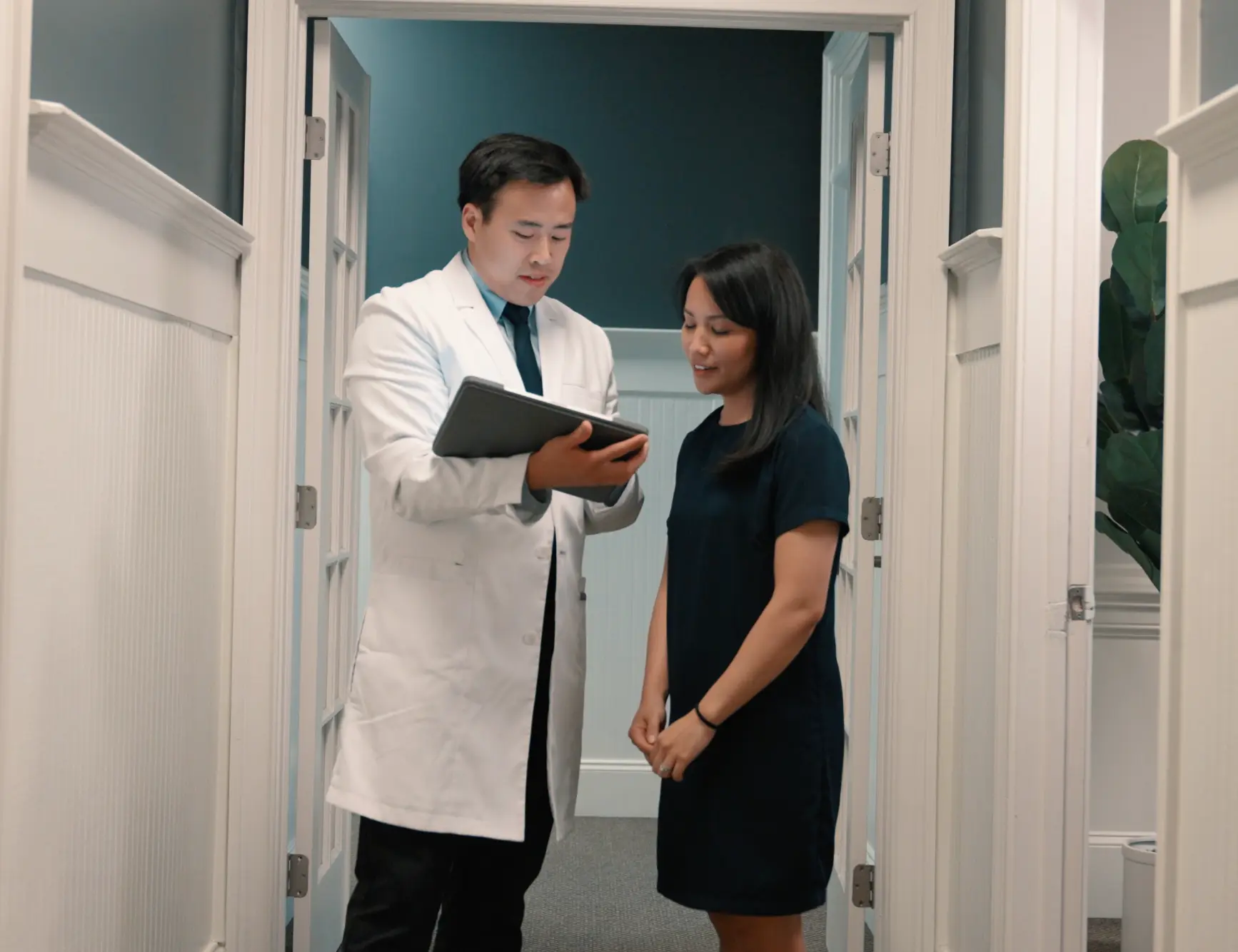
Dr. Jeffrey Tran performing a cataract evaluation at Stratus Eye in Suwanee, GA
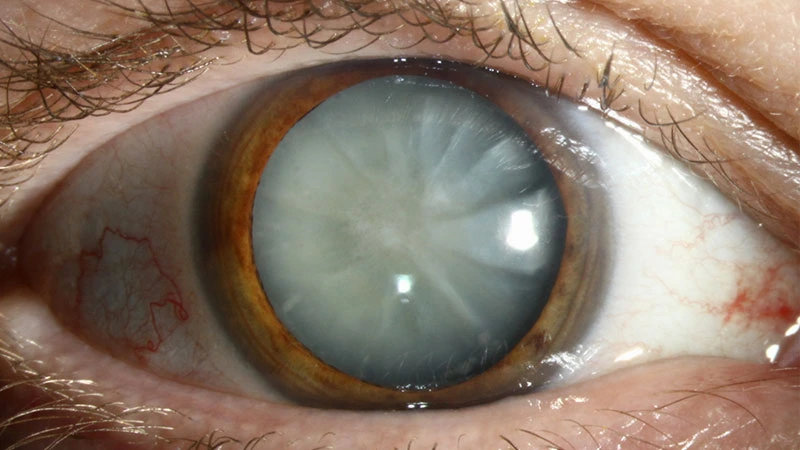
Advanced cataract — clouded eye lens shown in clinical photograph at Stratus Eye in Suwanee, GA

What is a cataract?

A cataract forms when the eye's natural lens — the one you were born with, sitting just behind your iris and pupil — begins to cloud over. As proteins in that lens break down over time, light can no longer pass through cleanly. The result is blurry vision, glare around headlights, halos at night, and colors that look washed out or dull. Most cataracts develop gradually with age, which is why many patients tell me they thought they just needed a stronger glasses prescription.

In reality, no glasses prescription fixes a cloudy lens — surgery is the only effective treatment. The image here shows a very advanced cataract. Most patients I see aren't quite at this stage yet, but it illustrates exactly what we're dealing with: a lens that's no longer doing its job.

What causes cataracts?

The honest answer? Aging. If you live long enough, you will develop cataracts — it's not a disease, it's biology. The lens inside your eye is made of proteins, and over decades those proteins gradually break down and cloud over. Every human eye will eventually go through this process. In fact, it's not even unique to humans — dogs, cats, and most other mammals develop cataracts with age too. (Yes, even your dog.)

Other factors can accelerate the process: UV exposure, diabetes, prolonged corticosteroid use, smoking, prior eye injury, and family history can all move your timeline forward. But the baseline cause is simply time. This is why some patients in their 50s need surgery while others in their 70s are still waiting — and the only way to know where you stand is a comprehensive exam.
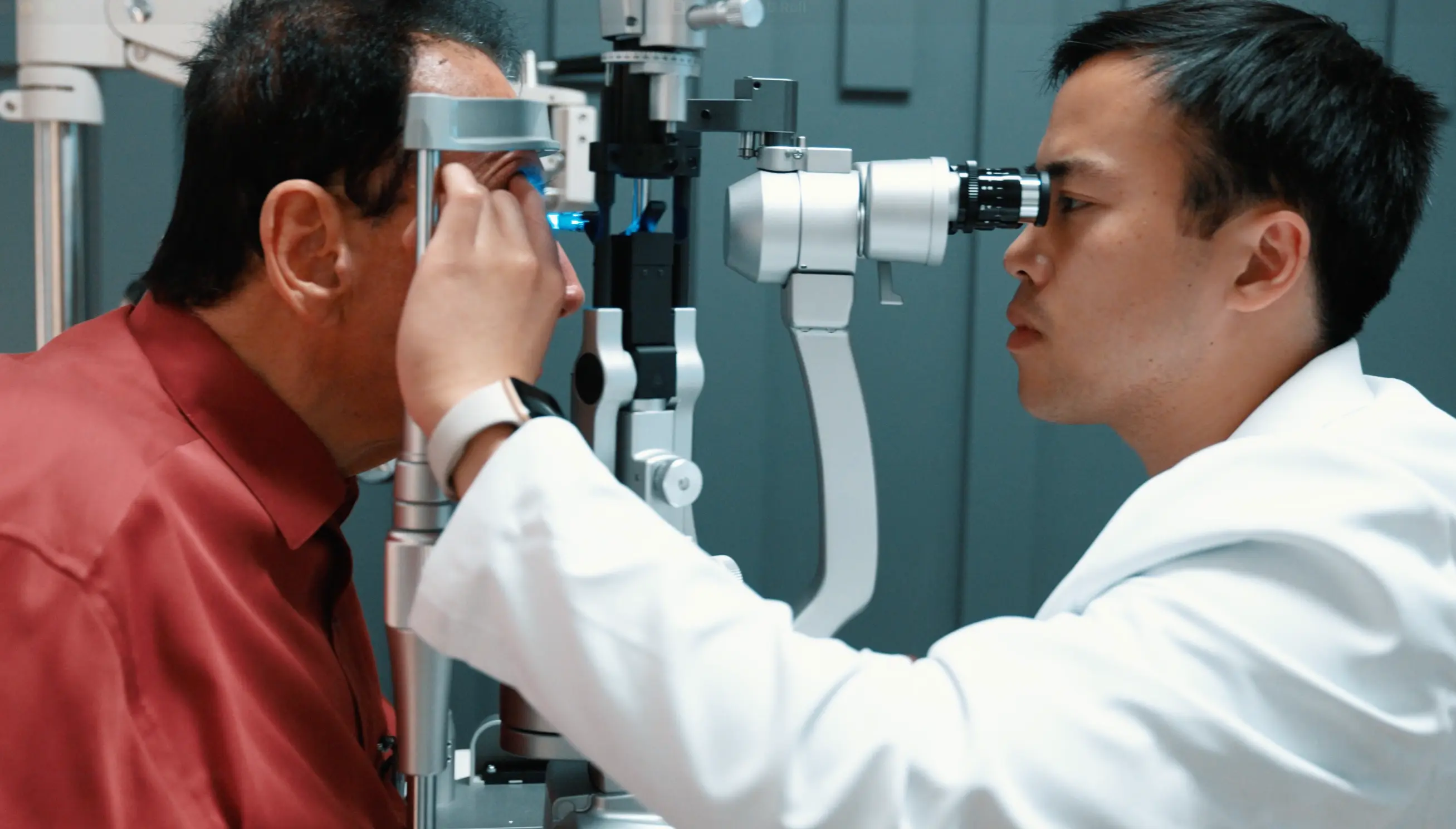
Dr. Jeffrey Tran performing a cataract evaluation at Stratus Eye in Suwanee, GA

How Do You Know If You Have Cataracts? 

01
Blurry or cloudy vision
Objects at any distance appear hazy or out of focus, even with an up-to-date glasses prescription.
02
Glare and light sensitivity
Bright lights feel overwhelming, and oncoming headlights at night create uncomfortable glare.
03
Halos around lights
Streetlights, lamps, and headlights appear surrounded by rings or starbursts, especially after dark.
04
Faded or yellowed colors
Colors that were once vivid appear washed out, dull, or with a yellowish tint.
05
Frequent prescription changes
Your glasses or contact prescription keeps changing but your vision never feels quite right.
06
Difficulty driving at night
Low-light vision deteriorates to the point where many patients stop driving after dark entirely.
If any of these sound familiar, you're likely further along than you think — and the good news is cataracts are completely treatable. A cataract evaluation with Dr. Tran is the right next step.
Arrow
Schedule Your Cataract Consultation

When should you get cataract surgery?

-
I have a saying I use with almost every patient: it's not what I see — it's what you can't see.
Most patients don't notice the blurry vision at first. It creeps in so gradually that the brain adjusts. But glare is different. Glare announces itself.

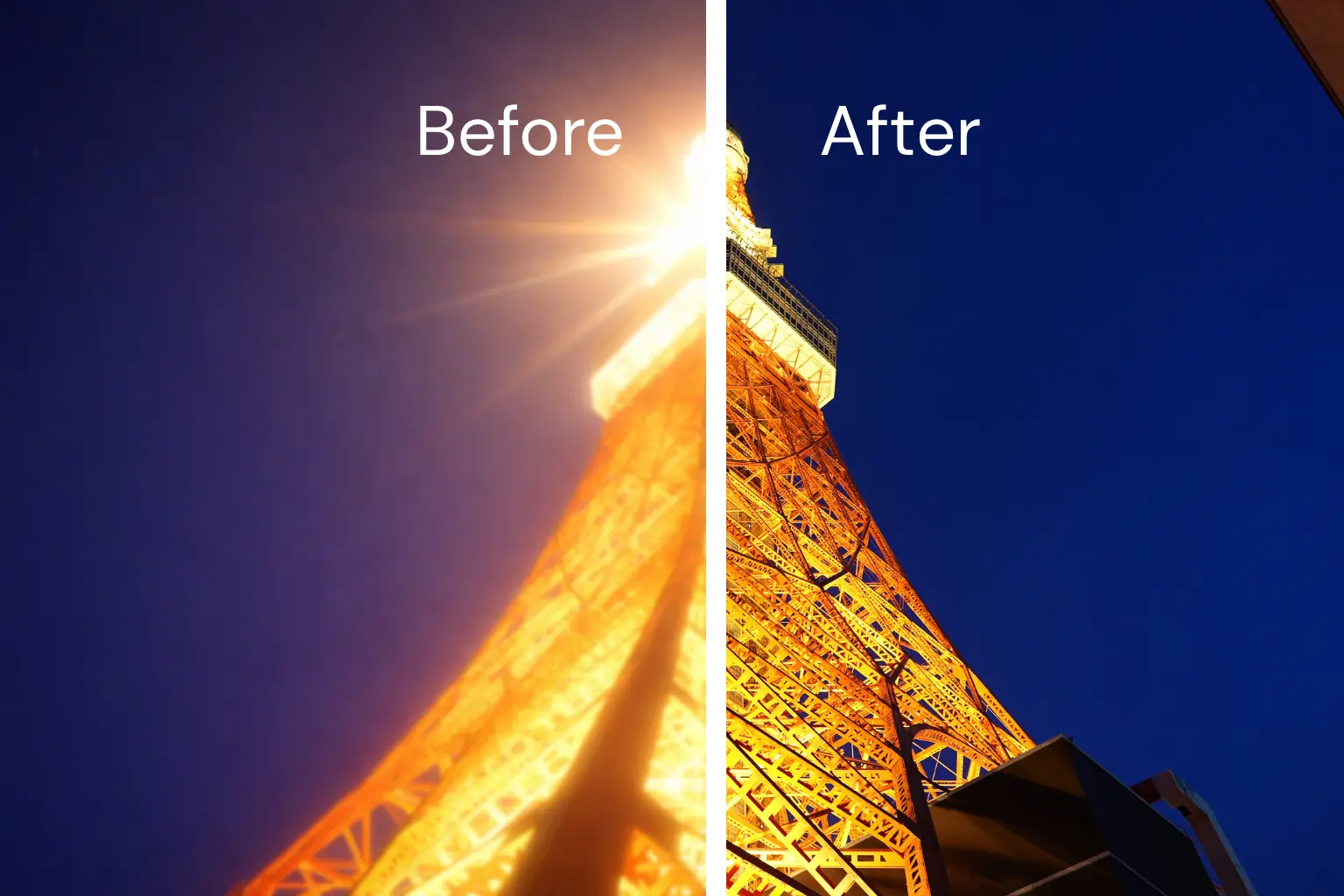
At night, light sources — headlights, streetlamps, lit signs — scatter inside a cloudy lens and explode into starbursts and halos. The photo here isn't a camera filter. That's what a cataract does to a beautiful landmark at night. The left is the same tower, the same moment, seen through a cloudy lens. The right is what a clear lens sees.

Now imagine that's not Tokyo Tower — imagine that's oncoming headlights on the highway. That's why so many of my patients tell me they've quietly stopped driving at night. Not because someone told them to. Because it stopped feeling safe.

When I look at your lens under the slit lamp, I can grade your cataract. I can tell you if it's dense or mild, central or peripheral. But that measurement doesn't tell me whether you're suffering. A patient with a "small" cataract might be terrified to drive after dark. A patient with a visibly clouded lens might still be functioning fine and genuinely not ready. The size of the cataract matters far less than what it's taking from you.

So when is it time? When cataracts are interfering with the life you want to live. When you've stopped driving at night. When you're avoiding restaurants because you can't read the menu. When the things you used to do without thinking — recognizing a face across the room, following a golf ball in flight, reading to your grandchildren — have quietly become harder.

That's the threshold. Not a number on a chart. Not a grade on an imaging report. If your vision is limiting your life, it's time to have a real conversation about what surgery can do for you.
Before and after cataract surgery vision comparison — glare and halos versus clear night vision at Stratus Eye in Suwanee, GA

How do we treat cataracts? 

-
The only treatment is surgery. And here is how we make it easy.
Step 1

Your Cataract Evaluation

Your first visit is a comprehensive diagnostic exam — not a sales consultation. We use advanced imaging including corneal topography, aberrometry, and biometry to map your eyes in precise detail. Dr. Tran reviews every measurement with you personally, explains what your cataracts are doing to your vision, and walks you through every lens option available. You leave knowing exactly what's happening in your eyes and what your options are — before you make any decisions.
Step 2

Your Custom Lens Recommendation

Based on your diagnostic results, your lifestyle, and your vision goals, Dr. Tran recommends the lens that fits your life — not a default. Standard monofocal lenses are covered by Medicare and most insurance. Premium options including toric lenses for astigmatism, multifocal IOLs for glasses freedom, and the Light Adjustable Lens for post-surgical fine-tuning are reviewed in full so you understand exactly what each one does, who it's right for, and what tradeoffs it involves.
Step 3

Cataract Surgery & Recovery

Cataract surgery at Stratus Eye takes under 15 minutes per eye. Most patients notice dramatically improved vision within 24 hours. Dr. Tran performs every surgery personally at Northside Hospital Haw Creek — the same surgeon you met at your consultation is the surgeon who operates. Follow-up care is included at every step to ensure your outcome matches your expectations.

What happens during cataract surgery? 

Dr. Tran teaches cataract surgery technique to fellow physicians at ASCRS and AAO. Here is how it's done.

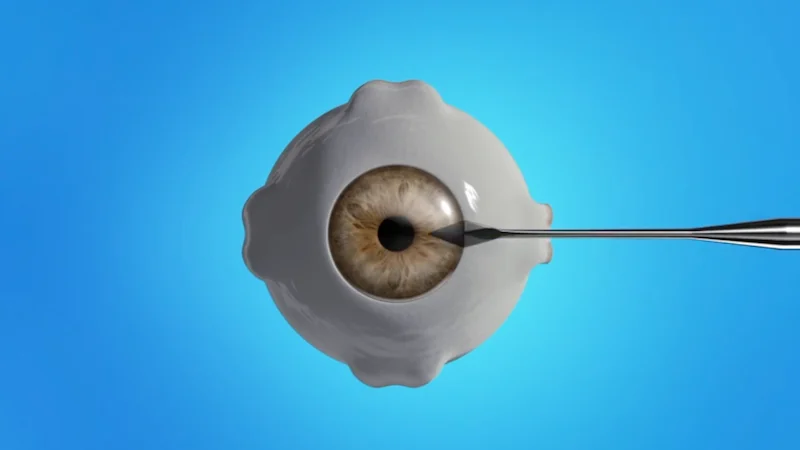
Step 1: The Incision

A micro-incision smaller than 3mm is made at the edge of the cornea — the clear tissue at the front of your eye. This entry point is self-sealing, which means no sutures are required. It closes on its own as the eye heals.
incision step during cataract surgery at Stratus Eye in Suwanee, GA

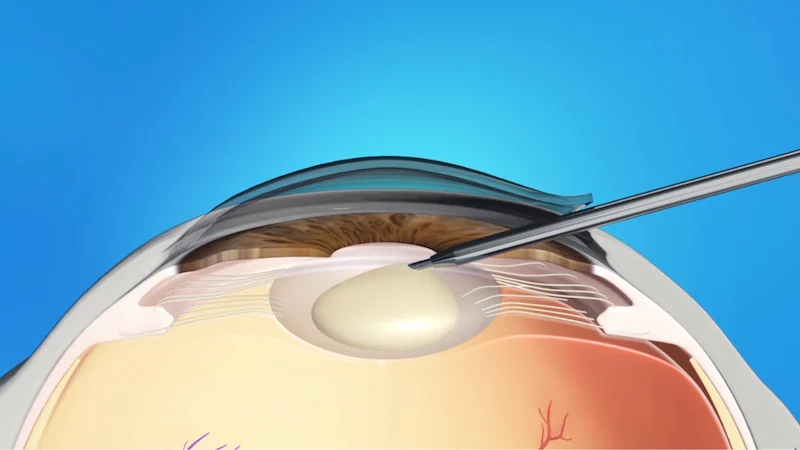
Step 2: Removing the clouded lens

A technique called phacoemulsification uses precisely controlled ultrasound energy to break the clouded lens into small fragments. Those fragments are then gently suctioned out through the same micro-incision. The lens capsule — the thin membrane that held your natural lens — is left in place. It becomes the structural support for your new lens.
phacoemulsification step during cataract surgery at Stratus Eye in Suwanee, GA

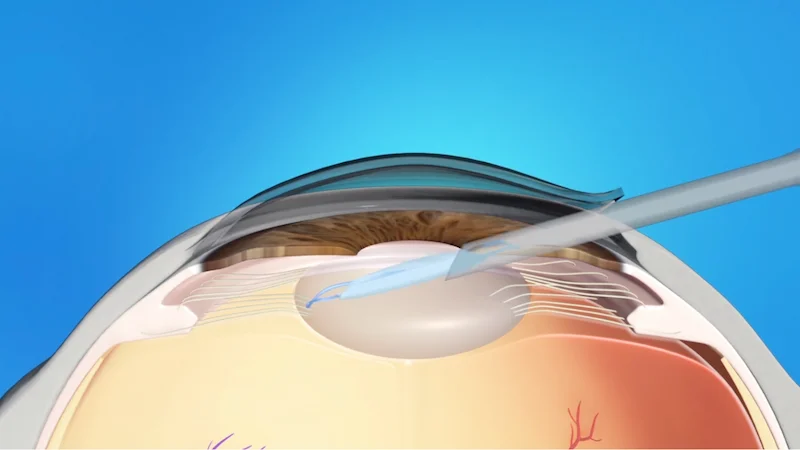
Step 3: Implanting your new lens

Your chosen intraocular lens (IOL) is folded and inserted through the micro-incision. Once inside, it unfolds and positions itself within the lens capsule. This is the step where your lens choice matters most — the IOL you select determines your vision for the rest of your life.
insertion of lens implant for cataract surgery at Stratus Eye in Suwanee, GA

How femtosecond laser-assisted surgery improves on each step

Standard cataract surgery relies on the surgeon's hands for the most demanding steps. Femtosecond laser-assisted surgery uses a computer-guided laser to perform those same steps with sub-micron precision — a level of consistency that manual technique alone cannot replicate every time.
laser corneal incision for cataract surgery at stratus eye

The incision: guided to exact depth and location

The laser creates incisions according to a 3D map of your eye captured before surgery. The entry point is placed with a precision and repeatability that a hand-held blade cannot match. For patients with astigmatism, this also allows precisely placed corneal relaxing incisions to reduce it at the same time.
femto softening for cataract surgery at stratus eye

Lens fragmentation: less energy, less stress on the eye

The laser pre-softens and divides the clouded lens before the ultrasound instrument enters the eye. This means less phacoemulsification energy is needed to complete removal — which translates to less inflammation, faster recovery, and reduced risk to the corneal cells responsible for long-term clarity.
round capsule for cataract surgery at stratus eye

The capsulotomy: the most critical step

The circular opening made in the lens capsule — called the capsulotomy — must be perfectly centered and perfectly round for a premium IOL to perform as designed. If it's off-center or irregular, even the best lens will underperform. The laser creates this opening to a precision that directly improves the accuracy of lens positioning and the predictability of your visual outcome.
ABOVE THE STANDARD
How is cataract surgery different at Stratus Eye?

Premium Cataract Lens Technology and Femtosecond Laser Surgery at Stratus Eye

Light Adjustable Lens (LAL)

The only FDA-approved intraocular lens that can be customized after implantation. After the eye heals, a series of light treatments using the RxSight Light Delivery Device refine the prescription — adjusting until vision is exactly where it needs to be, then permanently locked in place. Ideal for patients who want to trial their vision before committing to a final result, and particularly well-suited for anyone with a history of LASIK or PRK, where standard lens power calculations are less predictable.

Slit lamp examination at Stratus Eye in Suwanee, GA — Dr. Tran performing post-operative cataract surgery follow-up

Toric Lens

A premium lens engineered to correct astigmatism at the time of cataract surgery — so patients are not dependent on glasses or contacts to compensate for it afterward. Not all patients with astigmatism need a toric lens, and not all toric lenses are equal. Dr. Tran will measure the cornea precisely and explain whether the tradeoff is worth it for the specific prescription and lifestyle.

Family enjoying sharp, clear vision after toric lens cataract surgery at Stratus Eye in Suwanee, GA

Multifocal Lens (MFIOL)

A premium lens designed to restore vision at near, intermediate, and distance — reducing or eliminating dependence on glasses entirely. Not every patient is a candidate, and results depend on corneal health, pupil size, and lifestyle expectations. Dr. Tran will give an honest assessment of whether a multifocal lens is appropriate before any decision is made.

Family seeing clearly at near and distance after multifocal lens cataract surgery at Stratus Eye in Suwanee, GA

Femtosecond Laser-Assisted Surgery

Laser-Assisted Cataract Surgery

A computer-guided laser that replaces the most technically demanding steps of cataract surgery with sub-micron precision. The incisions, capsulotomy, and lens fragmentation are performed to a level of accuracy that manual technique alone cannot consistently replicate. The result is a more predictable outcome, faster healing, and reduced energy delivered to the eye.

Femtosecond laser cataract surgery equipment used for patients of Stratus Eye at Northside Hospital Haw Creek
PATIENT EDUCATION

Cataract surgery explained by a surgeon millions trust online

Dr. Tran has spent years making cataract surgery easy to understand — because an informed patient makes better decisions, and better decisions lead to better outcomes. Watch a few minutes before your consultation.
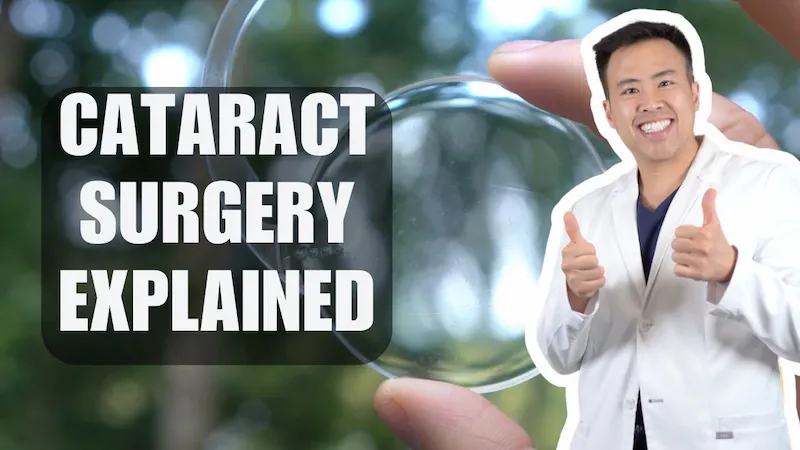
Dr. Jeffrey Tran explaining cataract surgery on YouTube — patient education video from Stratus Eye in Suwanee, GA
Thinking about cataract surgery? Start here.
Learn more about what cataracts are, what occurs during cataract surgery, and an in-depth discussion about the risks and benefits.
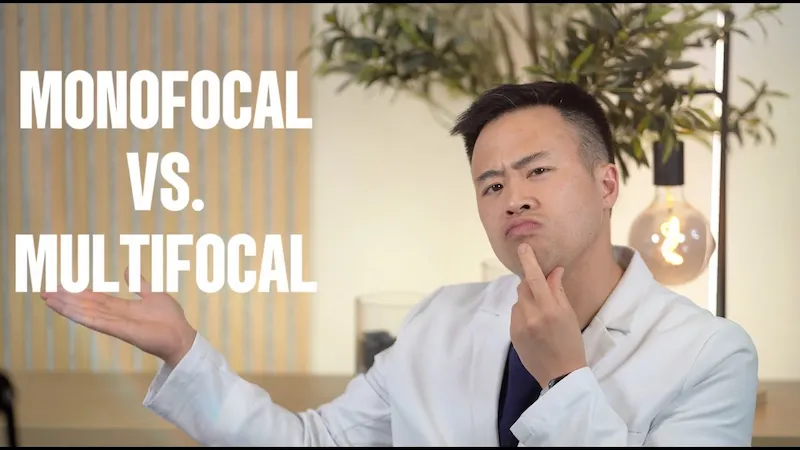
Dr. Jeffrey Tran comparing monofocal vs multifocal cataract lenses — patient education video from Stratus Eye in Suwanee, GA
Should you get a monofocal or a multifocal lens? 
Listen to my honest discussion about the pros and cons regarding the monofocal and multifocal lens.
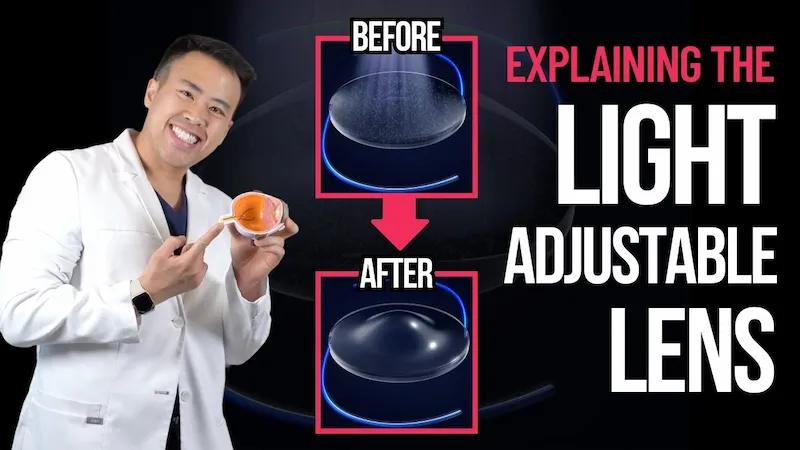
Dr. Jeffrey Tran explaining the Light Adjustable Lens for cataract surgery — patient education video from Stratus Eye in Suwanee, GA
Light Adjustable Lens compared to multifocal for cataract surgery
See how new technology pushes ophthalmology forward. The light adjustable lens is the only customizable lens after surgery.
5,000,000+ patients educated on YouTube and TikTok

What our patients say

Francine Whittaker — cataract surgery patient at Stratus Eye in Suwanee, GA
"I met Dr. Tran at probably the lowest point of my life. He and his staff made me feel comfortable and understanding of what my issue was. Dr. Tran and his staff are very personable, caring and treat people with the utmost respect. I had laser cataract surgery at Stratus Eye. After everything was said and done, I'm now back to 20/20 vision and I couldn't be happier. I would recommend Dr. Tran to anybody that needed help."
Francine Whittaker
Suwanee, GA
StarStarStarStarStar
Thor, a patient at Stratus Eye in Suwanee, GA
"Dr. Tran is, by far, the best ophthalmologist I've ever had. I cannot thank Dr. Tran and his wonderful staff enough for their continued excellence and professionalism. I have recommended Dr. Tran to several friends, and all of them have been very satisfied."
Thor Stensland
Alpharetta, GA
StarStarStarStarStar
Thor, a patient at Stratus Eye in Suwanee, GA
"I had cataract surgery with multifocal lenses put in both eyes with Dr. Jeffrey Tran at Stratus Eye. The surgery went wonderfully. I no longer have to wear glasses. Dr. Tran made sure that I understood the procedure, the timing, and the costs before the surgery. I'm very pleased with my experience."
Stephen Webb
Suwanee, GA
StarStarStarStarStar
Arrow
Arrow

Frequently asked questions about cataract surgery

Can cataracts come back after surgery?

Arrow

No. Once the natural lens is removed and replaced with an intraocular lens, a true cataract cannot return. However, some patients develop a condition called posterior capsule opacification — sometimes called a secondary cataract — where the membrane behind the lens becomes cloudy. This is easily treated in the office with a quick, painless laser procedure called a YAG capsulotomy.

What happens if I don't treat my cataracts?

Arrow

Cataracts are progressive — they will continue to worsen over time. In the early stages, updated glasses may help. But as the cataract advances, vision loss becomes significant enough to affect driving, reading, and daily independence. Surgery is the only effective treatment, and outcomes are generally better when the procedure is performed before the cataract becomes too advanced.

How do I know if I'm ready for cataract surgery?

Arrow

The right time for surgery is when your cataracts are affecting your quality of life — not based on a specific measurement or timeline. If you're struggling with night driving, reading, or recognizing faces, it's worth a consultation. Dr. Tran will review your diagnostic results and give you a clear, honest answer about whether surgery makes sense now or whether monitoring is the better option.

Is cataract surgery covered by Medicare?

Arrow

Standard cataract surgery — including a basic monofocal lens — is covered by Medicare and most insurance plans when deemed medically necessary. Premium lens upgrades, including multifocal IOLs, toric lenses, and the Light Adjustable Lens, involve an additional out-of-pocket cost. Femtosecond laser assistance is also typically not covered. During your consultation, our team will walk you through a complete cost breakdown before you make any decisions.

How much does cataract surgery cost in Suwanee, GA?

Arrow

Medicare and most insurance plans cover the base cataract surgery at no cost to you — including the surgeon's fee, facility, anesthesia, and a standard monofocal lens. If you choose to upgrade to a premium lens such as the Light Adjustable Lens, a multifocal, or a toric lens, that upgrade involves an additional out-of-pocket investment not covered by insurance. Femtosecond laser assistance is also an elective upgrade with a separate cost. Dr. Tran's team provides a clear, itemized breakdown of exactly what insurance covers and what you would pay before you make any decisions.

What is the difference between standard and premium cataract surgery?

Arrow

Standard cataract surgery — which removes the cloudy lens and replaces it with a basic monofocal lens — is covered by Medicare and most insurance plans. The surgery itself is paid for; what insurance does not cover is the upgrade to a premium lens. Premium options like multifocal, toric, and Light Adjustable Lenses involve an out-of-pocket cost because they go beyond what insurance considers medically necessary. That upgrade cost is what buys you the potential to see clearly at multiple distances, correct astigmatism, or fine-tune your vision after surgery — things a standard lens simply cannot do.

What is a Light Adjustable Lens (LAL)?

Arrow

The Light Adjustable Lens is the only FDA-approved intraocular lens that can be customized after it has been implanted in your eye. After initial healing, Dr. Tran uses a series of UV light treatments to fine-tune your prescription based on how your eye responds — then permanently locks in the result. This makes it ideal for patients who want the most precise visual outcome possible. Patients with the LAL must wear UV-protective glasses outdoors during the adjustment period.

Will I still need glasses after cataract surgery?

Arrow

Whether you need glasses after surgery depends largely on the lens you choose. With a standard monofocal lens, most patients still require reading glasses or glasses for certain distances. With multifocal or Light Adjustable Lenses, the majority of patients achieve significant glasses independence — especially for distance and intermediate tasks like driving and computer use. Dr. Tran will review your lifestyle and visual demands to recommend the lens most likely to give you the freedom you're looking for.

What is femtosecond laser-assisted cataract surgery?

Arrow

Femtosecond laser-assisted cataract surgery uses a computer-guided laser to perform the most technically precise steps of the procedure — including the incisions, the capsulotomy, and lens fragmentation. This replaces manual blade techniques with sub-micron accuracy, resulting in more predictable outcomes and reduced ultrasound energy delivered to the eye. The laser does not change the type of lens used, but improves the accuracy of lens placement — particularly beneficial for patients with astigmatism or complex prescriptions. Dr. Tran offers femtosecond laser surgery at Stratus Eye as part of a premium surgical experience.

What is a toric lens and who needs one?

Arrow

A toric lens is a type of intraocular lens engineered to correct astigmatism at the time of cataract surgery. Standard cataract surgery does not address astigmatism, which means many patients remain dependent on glasses or contact lenses even after their cataract is removed. Toric lenses are precisely aligned to counteract your specific astigmatism pattern, delivering sharper distance vision without glasses. Patients who have worn glasses their entire lives due to astigmatism are often excellent candidates for toric lenses.

How long does cataract surgery take and what is recovery like?

Arrow

Cataract surgery itself typically takes 10 to 15 minutes per eye. Most patients notice meaningfully improved vision within 24 to 48 hours of surgery. Full healing and final vision stabilization generally occurs over 2 to 4 weeks, with regular follow-up visits included in your care at Stratus Eye. Patients with the Light Adjustable Lens will have additional UV light adjustment appointments during the healing period before their vision is permanently locked in.

How do I know which cataract lens is right for me?

Arrow

There is no single best lens for every patient — the right choice depends on your corneal shape, degree of astigmatism, pupil size, and the visual demands of your lifestyle. An avid golfer who wants to see the ball without glasses has different needs than a retired professional who primarily reads and drives. Dr. Tran reviews your full diagnostic results and discusses your daily activities and vision goals before making a recommendation. Most patients leave their consultation with a clear understanding of their best option.

SERVING NORTH ATLANTA

Cataract surgery for patients across North Atlanta

Stratus Eye is proud to serve cataract and vision patients from across the North Atlanta region. Whether you're coming from Suwanee, Johns Creek, Duluth, Alpharetta, Cumming, Buford, Sugar Hill, Gainesville, or Lawrenceville, our team is here to help you understand your options and take the next step toward clearer vision. Most of our cataract patients from Johns Creek, Duluth, and Alpharetta tell us the consultation alone was worth the drive.

TAKE THE NEXT STEP
Schedule a cataract surgery evaluation at Stratus Eye in Suwanee, GA — Dr. Jeffrey Tran

Ready to see what your life looks like without cataracts?

A cataract evaluation with Dr. Tran is the first step. We'll map your vision, explain every option, and give you a clear picture of what's possible — with no pressure and no obligation. Standard cataract surgery is covered by Medicare and most insurance plans. Premium lens upgrades involve an additional out-of-pocket investment — and during your consultation, our team will walk you through a complete cost breakdown before you make any decisions. Most patients leave with a plan they're genuinely excited about.