Dry Eye Treatment in Suwanee, GA

Persistent dry eye is rarely solved by artificial tears alone. Dr. Jeffrey Tran evaluates the underlying cause of your dry eye and recommends a targeted treatment plan — including advanced prescription therapies, punctal plugs, and the newest options in long-term relief.
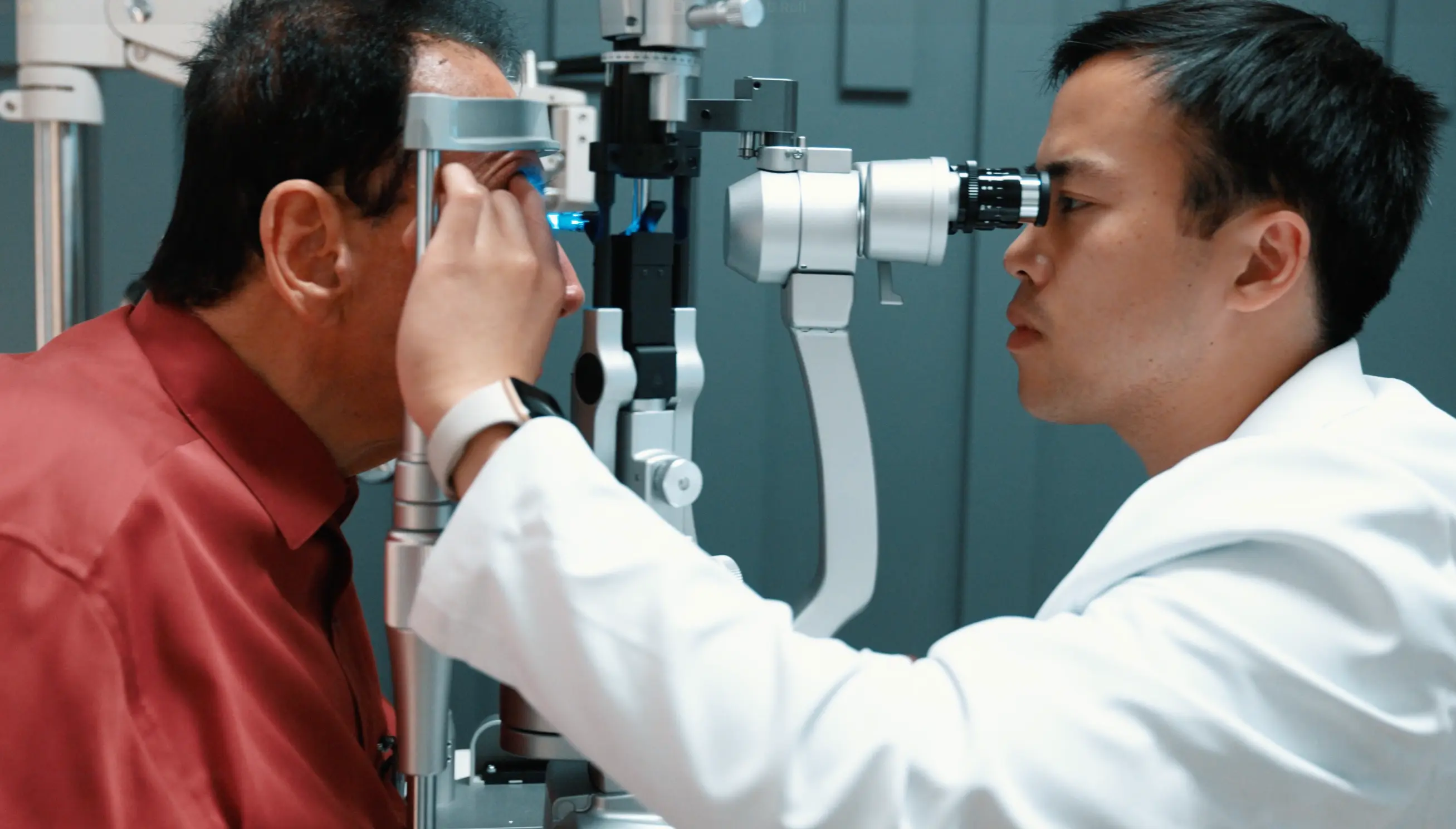
Dr. Jeffrey Tran performing a dry eye evaluation at Stratus Eye in Suwanee, GA
Corneal staining showing dry eye surface damage — fluorescein dye examination at Stratus Eye in Suwanee, GA

What is dry eye disease?

Dry eye disease occurs when your eyes don't produce enough tears, or when the tears you produce evaporate too quickly. Over time, this chronic dryness doesn't just cause discomfort — it can actively damage the surface of the eye.

When the ocular surface breaks down, it shows up as punctate epithelial erosions (PEEs) — small areas of surface cell loss visible with corneal staining during your exam. Most patients have no idea this is happening. It's one of the reasons Dr. Tran takes a clinical approach to dry eye rather than simply recommending more drops.

Why dry eye is so often undertreated

Most dry eye patients have been told to use more drops. Drops manage symptoms temporarily — they don't address the underlying inflammation or gland dysfunction driving the condition.

At Stratus Eye, your evaluation starts by identifying the mechanism behind your dry eye. That distinction — aqueous deficiency versus evaporative dry eye versus mixed — determines which treatment is actually appropriate for you. Without that assessment, treatment is guesswork.

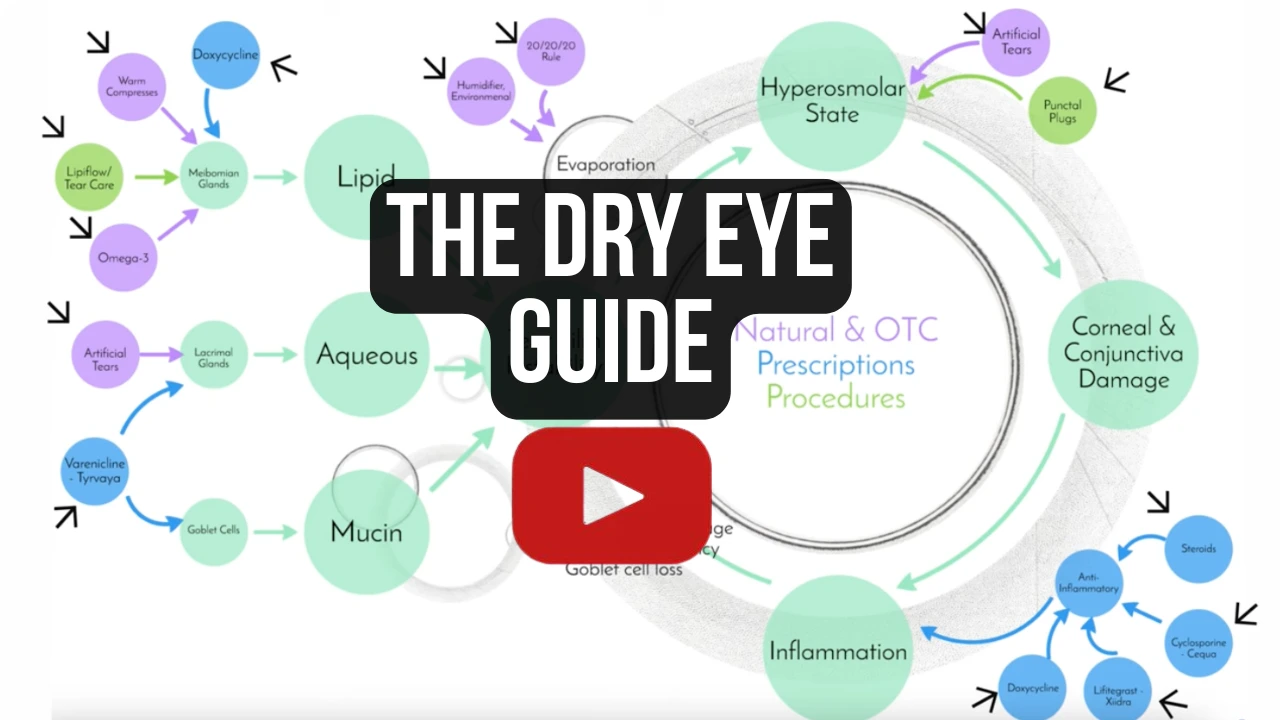
Dry eye is complex — but it doesn't have to be confusing. Dr. Tran's Dry Eye Guide breaks down the full picture in a way that's actually easy to understand.

Dr. Jeffrey Tran's dry eye guide — comprehensive dry eye treatment education video from Stratus Eye in Suwanee, GA

How do you know if you have dry eye?

01
Burning and stinging
A persistent burning or gritty sensation — like something is in your eye that won't go away. Symptoms are often worse by afternoon or after screen time.
02
Fluctuating or blurry vision
Vision that clears temporarily when you blink but goes blurry again within seconds. This is a hallmark sign of an unstable tear film.
03
Light sensitivity and glare
Increased sensitivity to bright lights, headlights at night, or glare from screens. Often dismissed as a separate issue — it's frequently dry eye.
04
Watery eyes
Paradoxically, dry eye often causes excessive tearing. The eye produces reflex tears to compensate for chronic dryness — but those tears don't have the right composition to actually help.
Dry eye is rarely solved by drops alone — but with the right diagnosis, it's very treatable. A dry eye evaluation is the right first step.
Arrow
Schedule a Dry Eye Evaluation

What causes dry eye?

The most common cause is meibomian gland dysfunction (MGD) — where the oil-producing glands along the eyelid margin become blocked or stop functioning normally. Without that oily layer, tears evaporate too quickly and the eye surface becomes chronically inflamed.

Other contributing factors include aging, prolonged screen use, certain medications (antihistamines, antidepressants, blood pressure drugs), autoimmune conditions like Sjögren's syndrome, and prior eye surgery including LASIK. In many patients, multiple factors are present simultaneously — which is why a thorough evaluation matters more than a reflexive prescription.
 Dr. Jeffrey Tran evaluating dry eye causes at Stratus Eye in Suwanee, GA

How do we treat dry eye at Stratus Eye?

A targeted approach — not a one-size-fits-all protocol
Step 1

Your dry eye evaluation

Dr. Tran evaluates your tear film, meibomian gland function, and ocular surface to identify the specific mechanism driving your symptoms. This is what determines your treatment — not a symptom checklist.
Step 2

Your treatment plan

Based on your evaluation, Dr. Tran recommends the appropriate therapy — prescription anti-inflammatory drops, punctal plugs, Lacrifill, or a combination. Every plan is matched to your clinical findings, not a default protocol.
Step 3

Ongoing management

Dry eye is a chronic condition that responds best to consistent management. Dr. Tran monitors your ocular surface over time and adjusts your treatment as needed — so relief doesn't stop after your first visit.
ABOVE THE STANDARD

How is dry eye care different at Stratus Eye?

Your evaluation includes corneal topography, fluorescein staining, and tear film assessment to identify the type and severity of your dry eye before any treatment is recommended. From there, Dr. Tran builds a plan matched to your clinical findings.

Prescription dry eye therapy

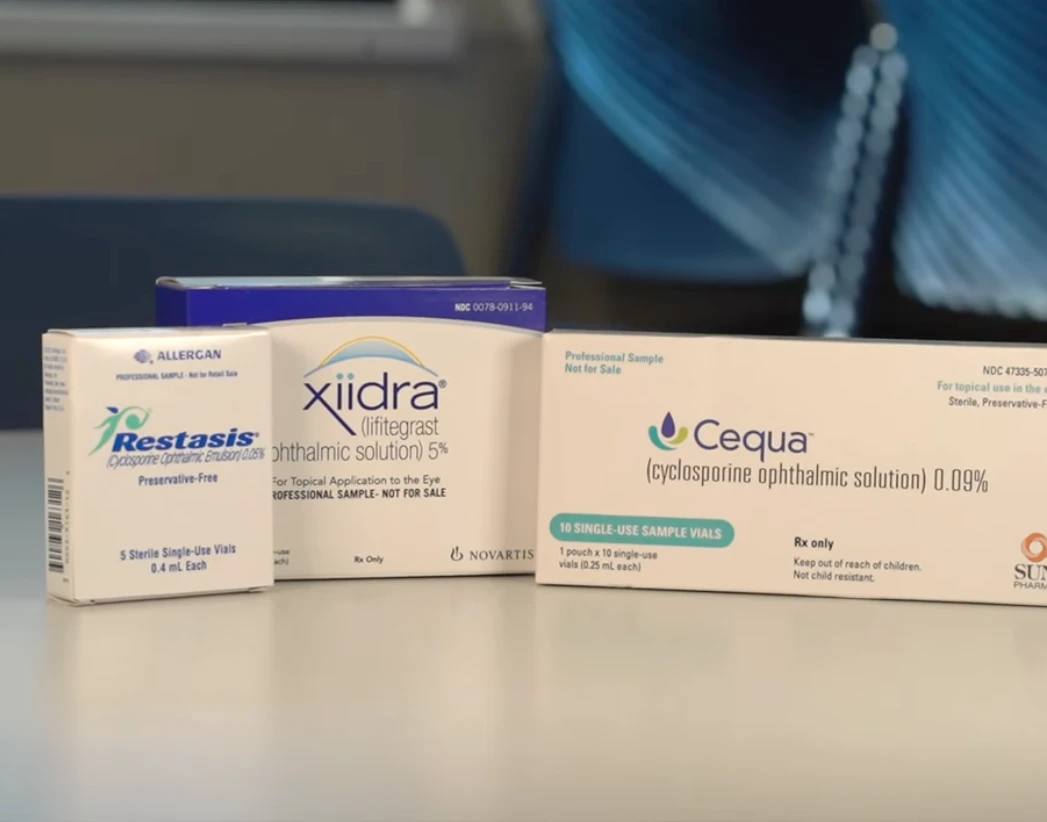
Not all prescription dry eye medications work the same way. Some target the underlying inflammation driving the condition. Others work by increasing your eye's natural tear production. Newer options address evaporation by restoring the lipid layer of the tear film. Dr. Tran selects the appropriate therapy — or combination — based on your specific dry eye mechanism, not a default first-line prescription.

Prescription dry eye medications Xiidra and Cequa available at Stratus Eye in Suwanee, GA

Punctal plugs

Small biocompatible inserts placed in the eyelid drainage canal to slow tear drainage and keep your natural tears on the eye surface longer. The procedure takes only a few minutes. Temporary and permanent options are available. Punctal plugs can help patients keep moisture and are an important part of cataract care as well.

Punctal plug dry eye treatment at Stratus Eye in Suwanee, GA

Lacrifill

An injectable collagen-based punctal occluder — a newer alternative to traditional plugs. Lacrifill is placed directly into the punctal canal, conforms to the anatomy, and biodegrades gradually over time. It eliminates plug displacement risk and is ideal for patients who haven't retained conventional plugs. Stratus Eye is among the first practices in North Atlanta to offer Lacrifill.

acrifill injectable punctal occluder treatment for dry eye at Stratus Eye in Suwanee, GA — among the first practices in North Atlanta to offer Lacrifill
PATIENT EDUCATION

Dry eye explained by a surgeon millions trust online

Dr. Tran's dry eye content has been watched more than 2 million times. Watch a few videos before your visit so you arrive informed and ready to make the best decision for your eyes.
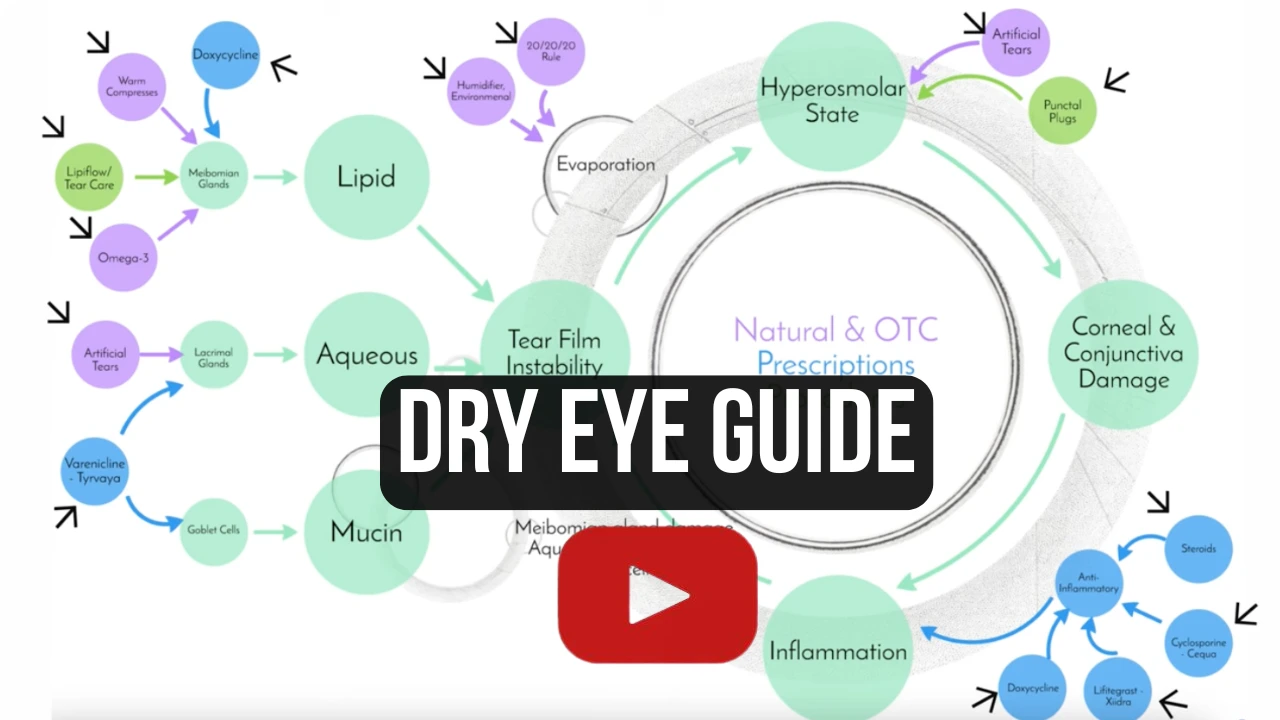
Dr. Jeffrey Tran's dry eye guide — treatments for dry eyes, tearing, and eye pain from Stratus Eye in Suwanee, GA
Dry eyes, tearing, and eye pain — treatments explained
A comprehensive look at why dry eye happens, what drives it, and which prescription and procedural options actually work.
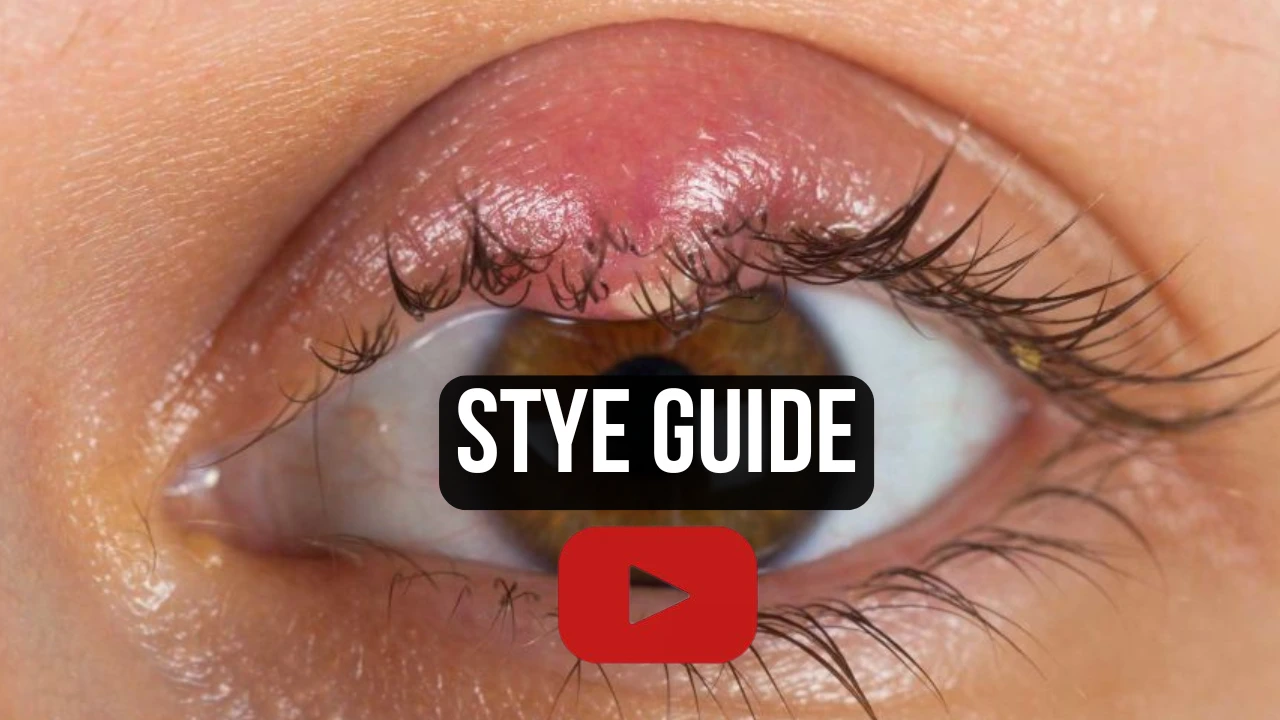
Dr. Jeffrey Tran explaining stye and dry eye connection — patient education video from Stratus Eye in Suwanee, GA
What is a stye and how does it affect dry eye?
Styes and eyelid inflammation are closely tied to meibomian gland dysfunction — the leading cause of dry eye disease.
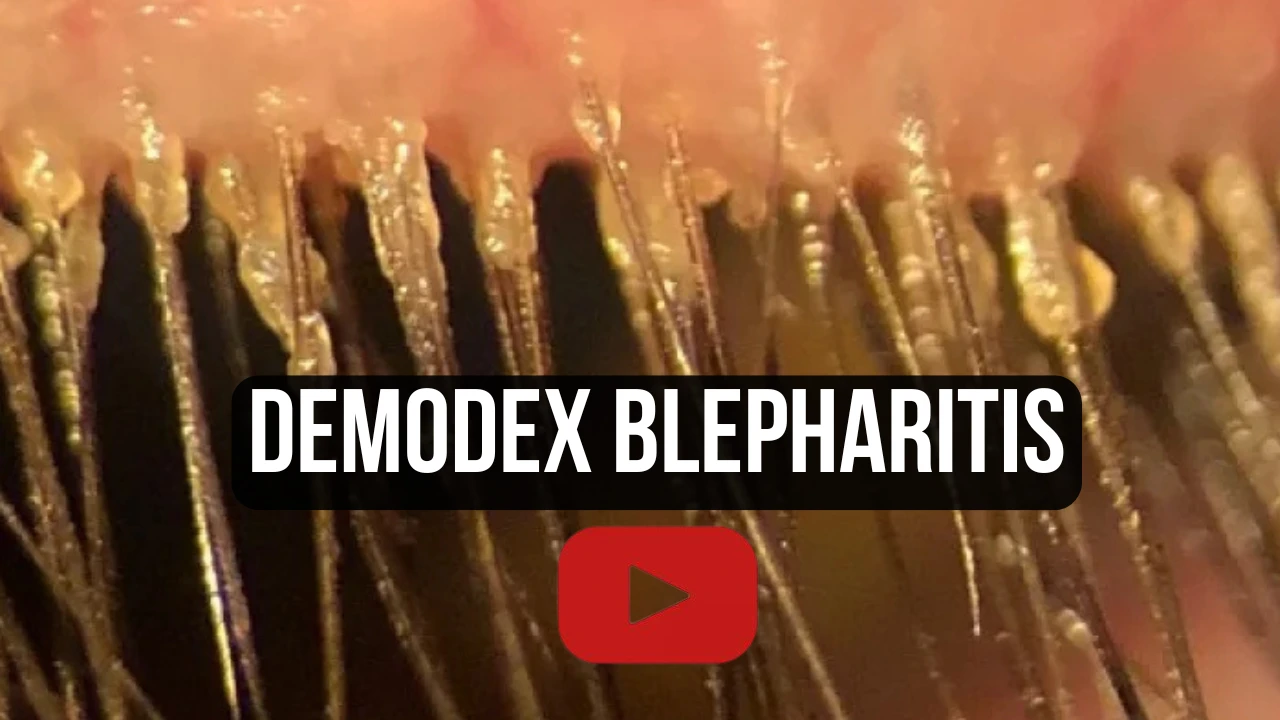
Dr. Jeffrey Tran explaining demodex blepharitis and dry eye — patient education video from Stratus Eye in Suwanee, GA
What is demodex blepharitis?
Demodex mites on the eyelid margin are a common and underdiagnosed cause of eyelid irritation, inflammation, and dry eye symptoms
5,000,000+ patients educated on YouTube and TikTok

What our patients say

Francine, a cataract at patient Stratus Eye in Suwanee, GA
"I met Dr. Tran at probably the lowest point of my life. He and his staff made me feel comfortable and understanding of what my issue was. Dr. Tran and his staff are very personable, caring and treat people with the utmost respect. I had laser cataract surgery at Stratus Eye. After everything was said and done, I'm now back to 20/20 vision and I couldn't be happier. I would recommend Dr. Tran to anybody that needed help."
Francine Whittaker
Suwanee, GA
StarStarStarStarStar
Thor, a happy patient at Stratus Eye in Suwanee, GA
"Dr. Tran is, by far, the best ophthalmologist I've ever had. I cannot thank Dr. Tran and his wonderful staff enough for their continued excellence and professionalism. I have recommended Dr. Tran to several friends, and all of them have been very satisfied."
Thor Stensland
Alpharetta, GA
StarStarStarStarStar
Dr Tran reviewing results for a cataract patient at Stratus Eye in Suwanee, GA
"I had cataract surgery with multifocal lenses put in both eyes with Dr. Jeffrey Tran at Stratus Eye. The surgery went wonderfully. I no longer have to wear glasses. Dr. Tran made sure that I understood the procedure, the timing, and the costs before the surgery. I'm very pleased with my experience."
Stephen Webb
Suwanee, GA
StarStarStarStarStar
Arrow
Arrow

Frequently asked questions about dry eye

What causes chronic dry eye?

Arrow

Chronic dry eye is usually caused by one of two mechanisms — insufficient tear production, or tears that evaporate too quickly due to meibomian gland dysfunction (MGD). In many patients, both are present simultaneously. Identifying which mechanism is driving your symptoms is the first step, because the treatments for aqueous-deficient dry eye and evaporative dry eye are different. That's why an evaluation — not a trial of drops — is the right starting point.

Why don't artificial tears fix my dry eye?

Arrow

Artificial tears replace moisture temporarily but don't address the underlying cause. For patients with chronic symptoms, the root issue is usually inflammation or meibomian gland dysfunction — neither of which is resolved by lubrication alone. If drops haven't provided lasting relief, it typically means the mechanism driving your dry eye hasn't been identified or treated.

What is meibomian gland dysfunction?

Arrow

Meibomian gland dysfunction (MGD) occurs when the oil-producing glands along the eyelid margin become blocked or stop functioning normally. These glands produce the oily layer of the tear film that prevents evaporation. When they degrade, tears evaporate too quickly and the ocular surface becomes chronically inflamed. MGD is responsible for the majority of chronic dry eye cases.

What is a punctal plug and how is it placed?

Arrow

A punctal plug is a tiny biocompatible device inserted into the small opening in the corner of your eyelid through which tears drain. By slowing drainage, plugs keep your natural tears on the eye surface longer. Placement takes only a few minutes in the office and requires no anesthesia. Temporary dissolvable and semi-permanent options are available depending on your clinical needs.

What is Lacrifill and how is it different from a punctal plug?

Arrow

Lacrifill is an injectable collagen-based punctal occluder — a newer alternative to traditional plugs. Rather than inserting a physical device, Lacrifill is injected directly into the punctal canal where it conforms to the anatomy and biodegrades gradually over time. It eliminates the risk of plug displacement and is well-suited for patients who haven't retained conventional plugs. Stratus Eye is among the first practices in North Atlanta to offer Lacrifill.

How do I know if I need prescription dry eye medication?

Arrow

Prescription dry eye therapy is typically considered when over-the-counter options haven't provided adequate relief, or when your evaluation shows signs of significant ocular surface inflammation. Not all prescription medications work the same way — some reduce inflammation, some increase tear production, and others address evaporation by restoring the lipid layer. Dr. Tran determines the appropriate therapy based on your specific dry eye mechanism, not a default first-line prescription.

Does dry eye affect cataract surgery outcomes?

Arrow

Yes — and this is frequently underappreciated. Untreated dry eye can affect the accuracy of the pre-surgical measurements used to select your cataract lens, and it can slow recovery after surgery. At Stratus Eye, dry eye evaluation is part of the pre-surgical workup for cataract patients who report symptoms. Treating dry eye before surgery leads to more accurate lens selection and a smoother recovery.

Can dry eye damage my eyes permanently?

Arrow

Chronic untreated dry eye can cause punctate epithelial erosions — small areas of surface cell loss on the cornea visible with fluorescein staining. Over time, persistent inflammation can affect the corneal surface and tear film stability. Most patients respond well to appropriate treatment before permanent changes occur, which is why evaluation and management matter more than waiting it out.

What is the difference between aqueous-deficient and evaporative dry eye?

Arrow

Aqueous-deficient dry eye occurs when the lacrimal glands don't produce enough tears. Evaporative dry eye — the more common form — occurs when tears evaporate too quickly due to meibomian gland dysfunction. Many patients have elements of both. The distinction matters because the two types respond to different treatments, which is why identifying your specific mechanism at the evaluation is essential.

Why are my eyes watery if I have dry eye?

Arrow

Paradoxically, dry eye frequently causes excessive tearing. When the ocular surface is chronically dry or irritated, the eye produces reflex tears as a protective response. These reflex tears don't have the right composition to stabilize the tear film — they provide momentary relief but don't solve the underlying problem. Watery eyes in the context of burning or irritation is a common dry eye presentation.

Do you treat dry eye in patients who are not having cataract surgery?

Arrow

Yes. Stratus Eye treats dry eye as a standalone condition for patients who are not surgical candidates and who are simply seeking relief from chronic symptoms. Whether or not you're considering cataract surgery, if dry eye is affecting your daily quality of life, Dr. Tran can evaluate and treat it.

What should I expect at a dry eye evaluation at Stratus Eye?

Arrow

Your evaluation includes a review of your symptom history, corneal topography, fluorescein staining to assess the ocular surface, and tear film assessment. Dr. Tran reviews the findings with you personally and explains what's driving your symptoms before recommending any treatment. Most patients leave with a clear understanding of their dry eye type and a specific plan — not a generic prescription.

SERVING NORTH ATLANTA

Dry eye care for patients across North Atlanta

Stratus Eye provides dry eye evaluation and treatment for patients across the North Atlanta region. Whether you're coming from Suwanee, Johns Creek, Duluth, Alpharetta, Cumming, Buford, Sugar Hill, Gainesville, or Lawrenceville, Dr. Tran will identify the specific cause of your dry eye and build a treatment plan around it — not a generic protocol. Most patients tell us the evaluation alone gave them answers they hadn't gotten anywhere else.

TAKE THE NEXT STEP
Dr. Jeffrey Tran explaining demodex blepharitis and dry eye — patient education video from Stratus Eye in Suwanee, GA

Ready to find out what's actually causing your dry eye?

A dry eye evaluation with Dr. Tran starts with a real answer — not a recommendation to use more drops. We'll assess your tear film, examine your ocular surface, and give you a clear picture of what's driving your symptoms and what's most likely to help. No generic protocols. No pressure.