Do I Have Glaucoma? What You Need to Know.

If you've been told your eye pressure is high, or your optometrist flagged something at your last exam — you're in the right place. Glaucoma is called the silent thief of sight for a reason. Most patients have no symptoms until damage is already done. This page explains what glaucoma is, how it's detected, and what treatment looks like at Stratus Eye.
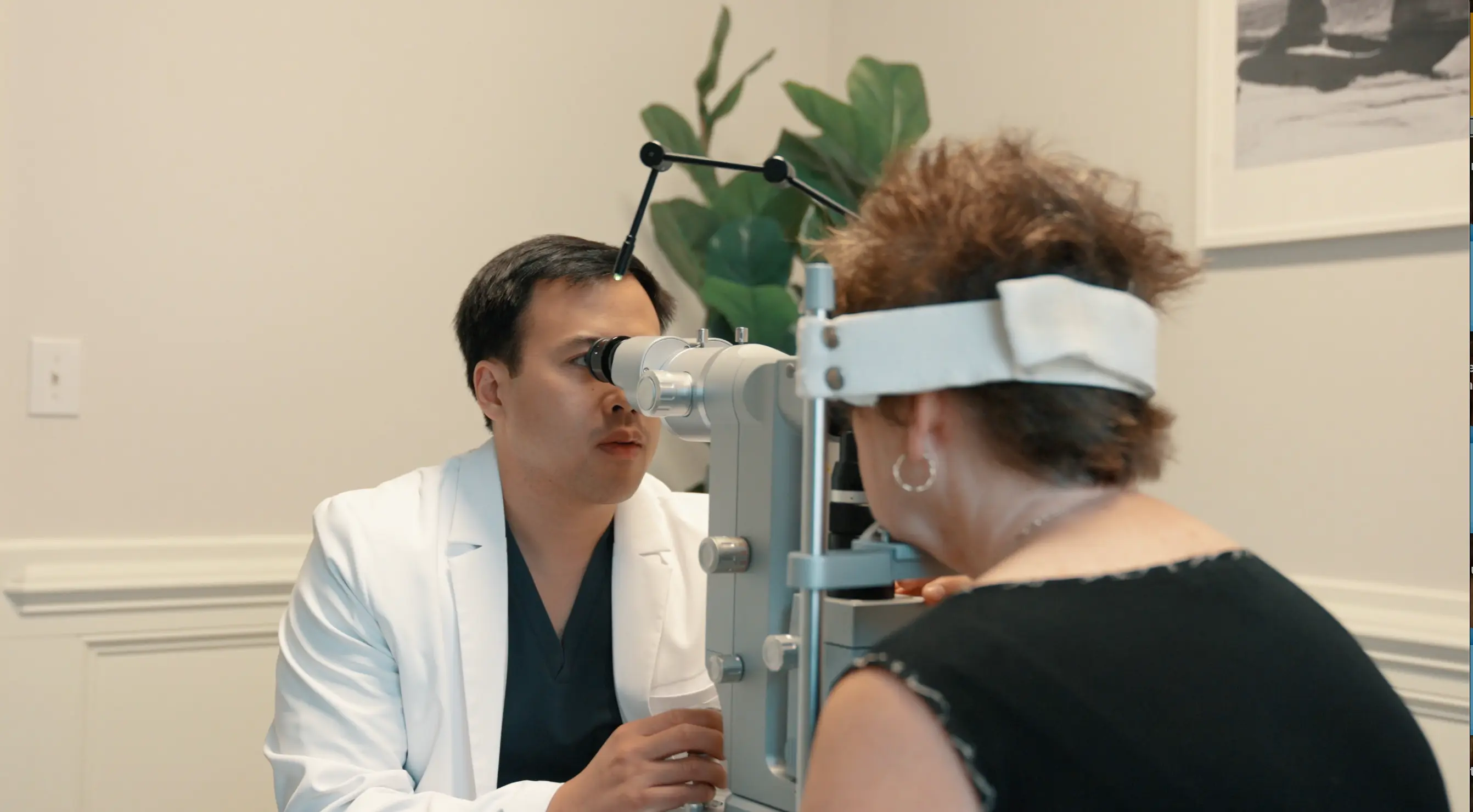
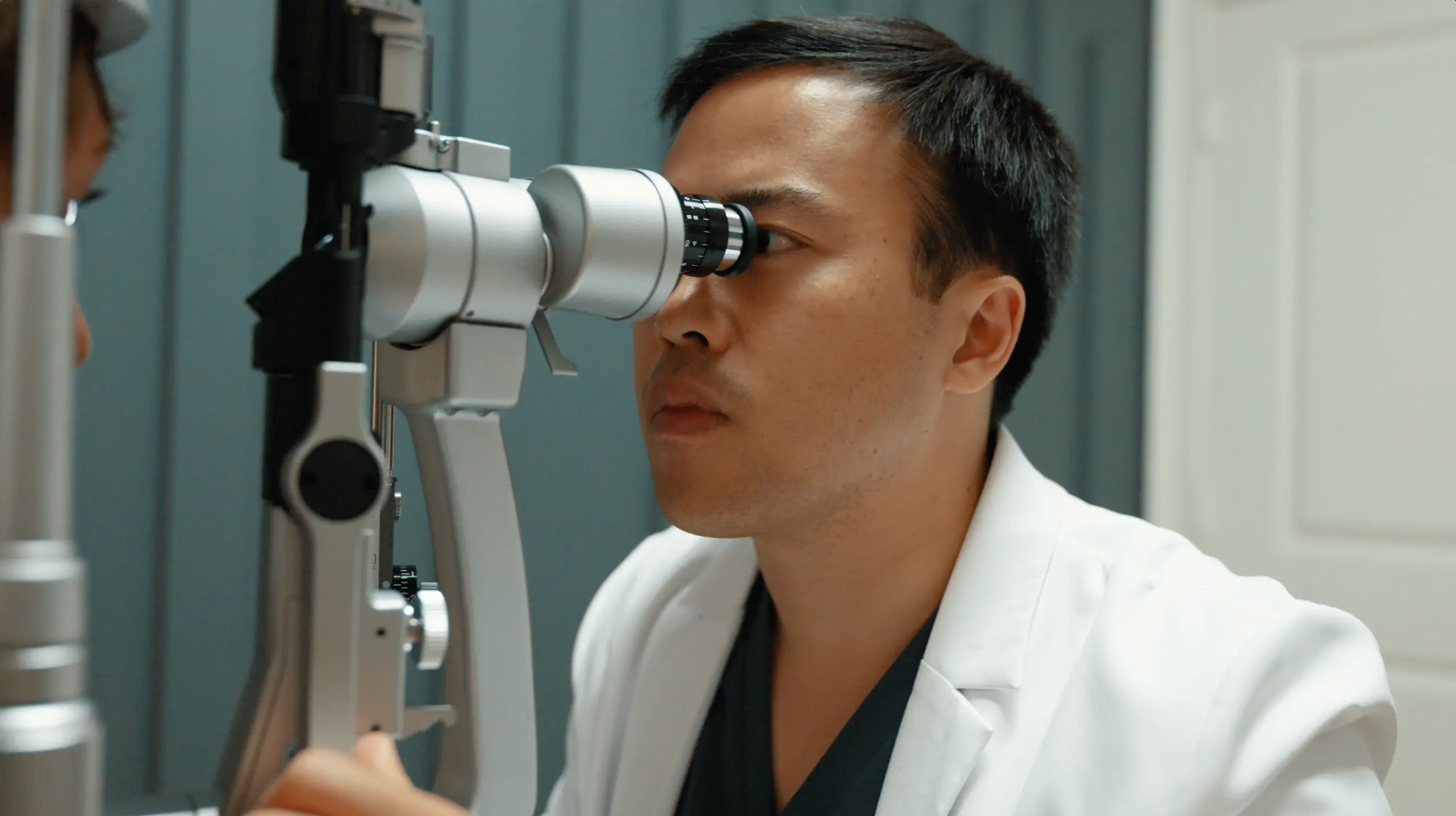
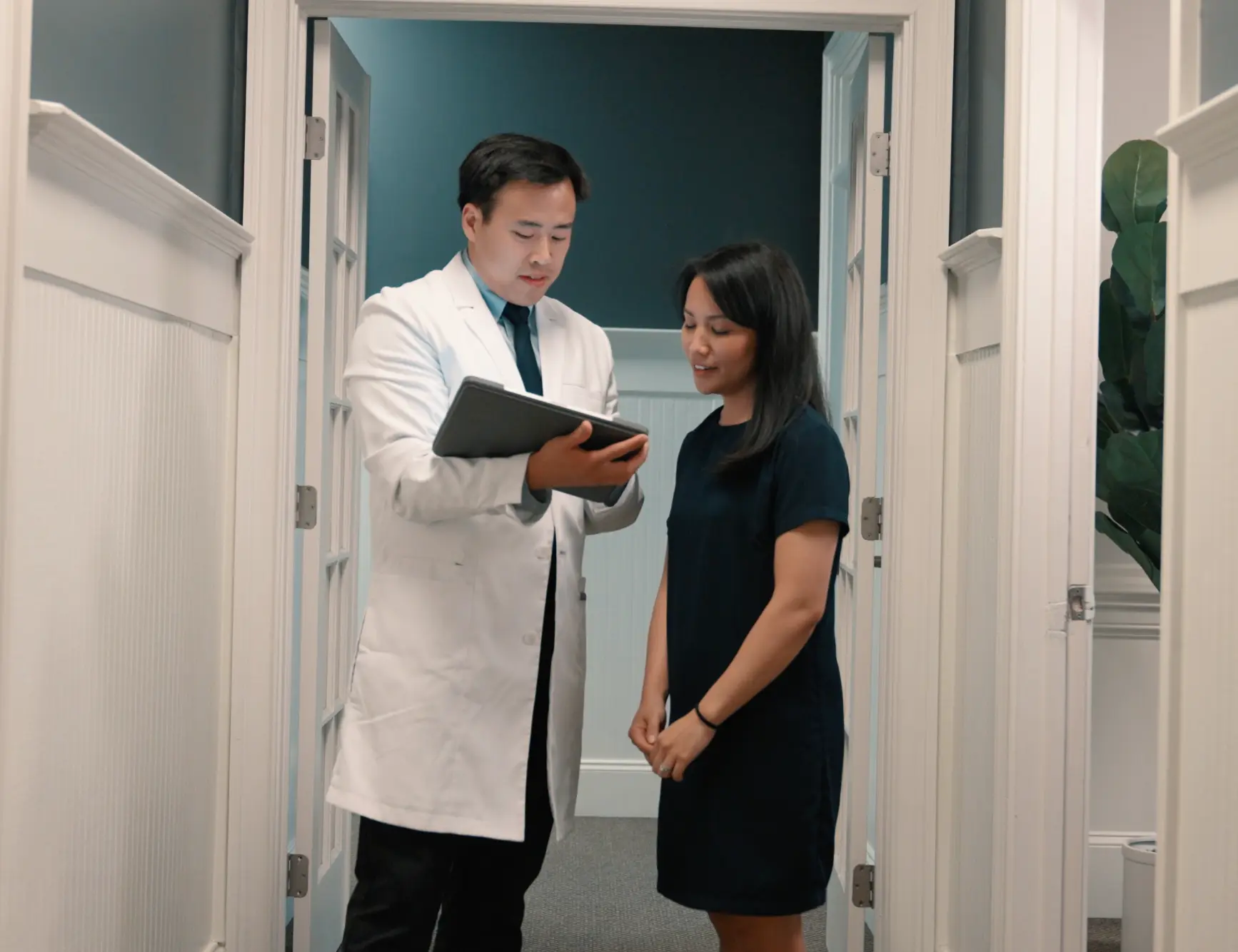
Dr. Jeffrey Tran performing a glaucoma evaluation at Stratus Eye in Suwanee, GA
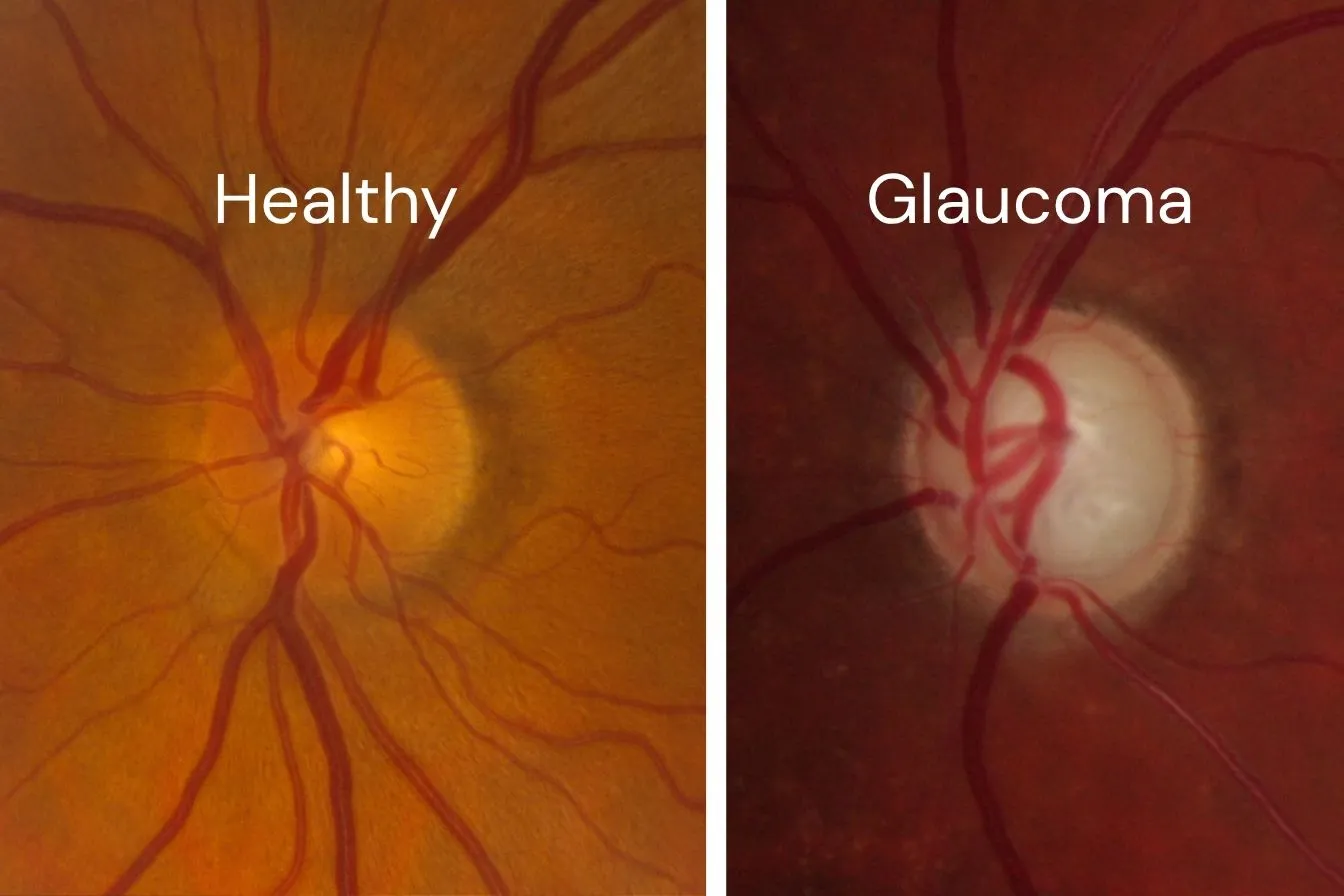
Healthy optic nerve versus glaucoma-damaged optic nerve — glaucoma detection at Stratus Eye in Suwanee, GA

What Is glaucoma?

Glaucoma is a group of eye conditions that damage the optic nerve — the cable that carries visual information from your eye to your brain. The damage is usually caused by elevated pressure inside the eye, though some patients develop glaucoma with normal pressure. Once the optic nerve is damaged, that vision loss is permanent.

What makes glaucoma dangerous is that most patients feel nothing. No pain, no obvious vision changes — until the disease is advanced. By the time peripheral vision loss becomes noticeable, significant irreversible damage has already occurred. Early detection through a comprehensive eye exam is the only reliable way to catch it.

How does glaucoma cause visual field loss?

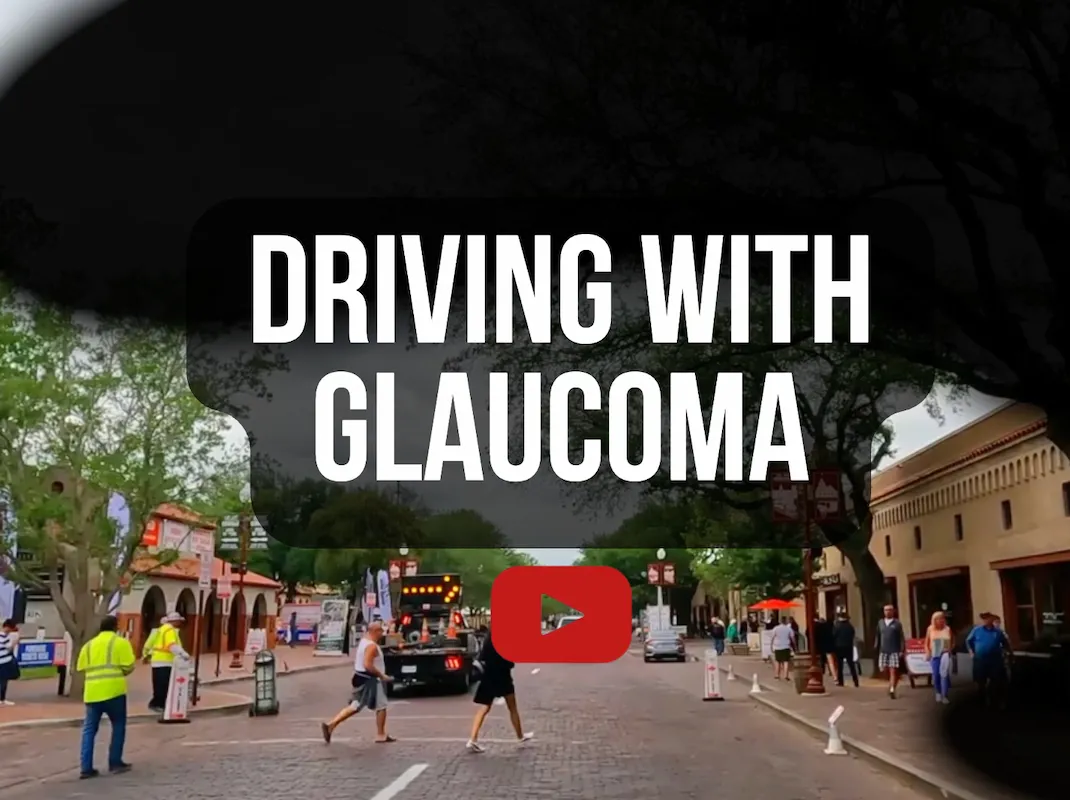
Most glaucoma patients see perfectly fine — straight ahead, in the center. That's what makes it so deceptive. The damage starts at the edges of your visual field, where you're not looking. Your brain fills in the gaps so well that you don't notice the loss until it's already significant.

I edited the video below myself to show exactly what progressive visual field loss looks like behind the wheel. This is what my patients are living with — often without realizing it.

Watch the periphery narrow as the disease advances. This is why glaucoma is called the silent thief of sight, and why waiting for symptoms before getting checked is the single biggest risk factor for permanent vision loss.

This video is from my YouTube channel, where I've spent years making eye disease easier to understand. Because a patient who understands what's happening to their vision is a patient who acts before it's too late.
Dr. Jeffrey Tran explaining what it's like to drive with glaucoma — patient education video from Stratus Eye in Suwanee, GA

How do you know if you have glaucoma?

01
You probably don't — yet
Most glaucoma patients have zero symptoms. No pain, no blurred vision, no warning. The disease damages your optic nerve slowly and silently before you notice anything is wrong.
02
Glare and light sensitivity
The first changes appear at the edges of your visual field — not the center. By the time you notice the narrowing, significant irreversible damage has already occurred.
03
Elevated eye pressure
High intraocular pressure has no symptoms you can feel. It's only detectable on exam — which is why routine eye exams are the only reliable early warning system.
04
You're at higher risk
Risk increases significantly after age 60, with a family history of glaucoma, or if you are of African or Hispanic descent. Higher risk means earlier and more frequent screening.
Glaucoma has no cure — but caught early, it's manageable. If you haven't had a comprehensive eye exam recently, that's the right next step.
Arrow
Schedule a Glaucoma Evaluation

What causes glaucoma?

The most common cause is elevated pressure inside the eye — what doctors call intraocular pressure, or IOP. When fluid inside the eye doesn't drain properly, pressure builds and slowly damages the optic nerve. The damage accumulates over years, which is why most patients have no idea it's happening.

What makes glaucoma more complicated than most eye conditions is that some patients develop it with completely normal pressure. This is called normal-tension glaucoma, and it's why eye pressure alone isn't enough to rule it out. The only way to know is a comprehensive exam that evaluates the optic nerve directly — which is exactly what we do at Stratus Eye.
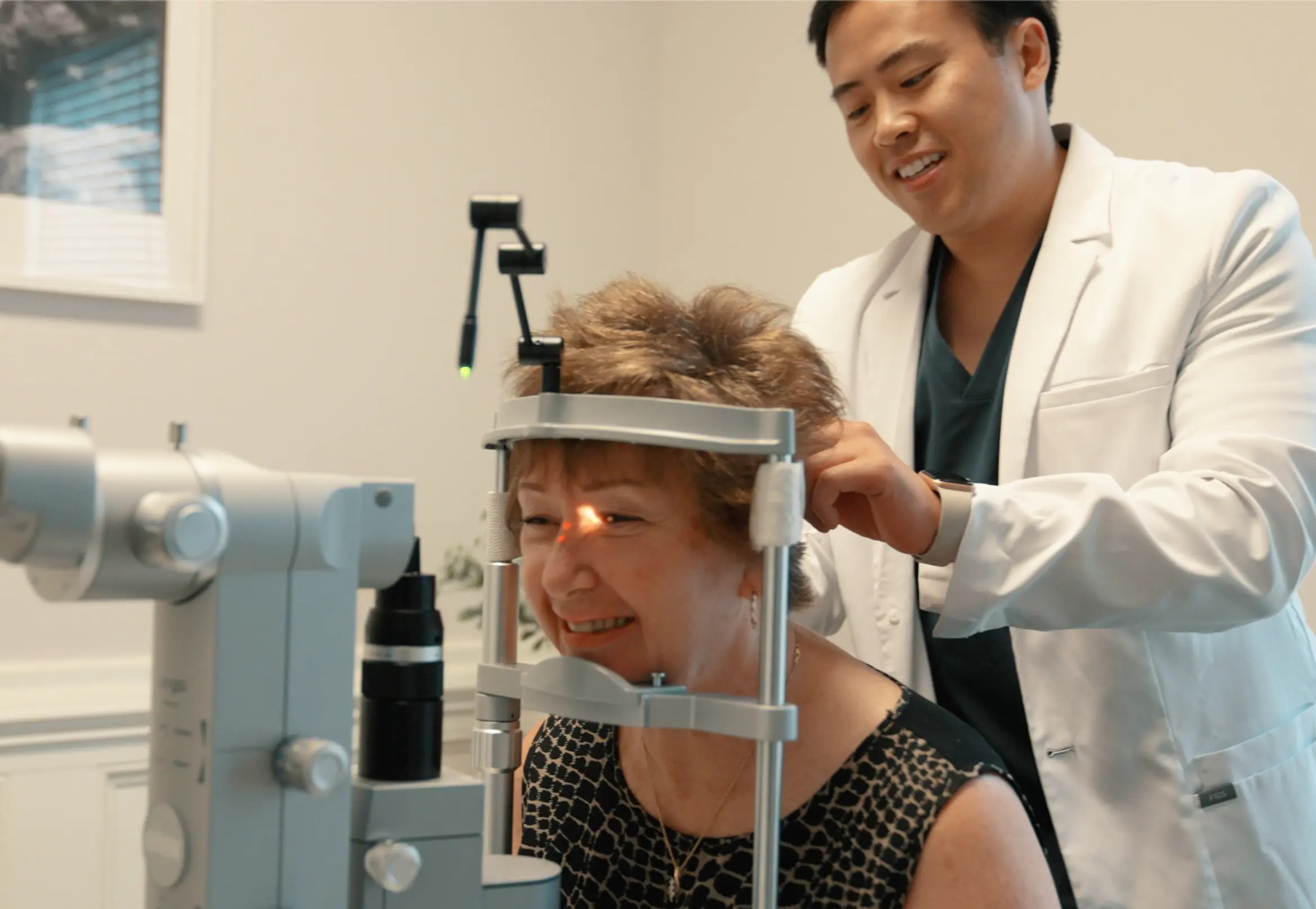
Dr. Jeffrey Tran performing a glaucoma eye pressure examination at Stratus Eye in Suwanee, GA

How do we treat glaucoma? 

From eye drops to in-office laser to minimally invasive surgery
— all under one roof.
Step 1

Your Glaucoma Evaluation

Your first visit includes a comprehensive exam — eye pressure measurement, optic nerve imaging, and visual field testing. Dr. Tran reviews every finding with you personally and gives you a clear picture of where you stand and what, if anything, needs to happen next.
Step 2

Your Treatment Plan

Treatment is matched to your stage of disease. Many patients start with prescription eye drops. When drops aren't enough, Dr. Tran performs selective laser trabeculoplasty (SLT) — a quick, in-office laser procedure that improves drainage without incisions or downtime. For patients who need more, minimally invasive glaucoma surgery (MIGS) offers a surgical solution with a significantly better recovery profile than traditional glaucoma surgery.
Step 3

Long-Term Monitoring

Glaucoma is a lifelong condition. Regular follow-up exams track your optic nerve and visual field over time — catching any progression before it affects your daily life. Dr. Tran manages your care personally at every visit.
ABOVE THE STANDARD
How is glaucoma care different at Stratus Eye?

Diagnosis is only as good as the technology and the hands behind it

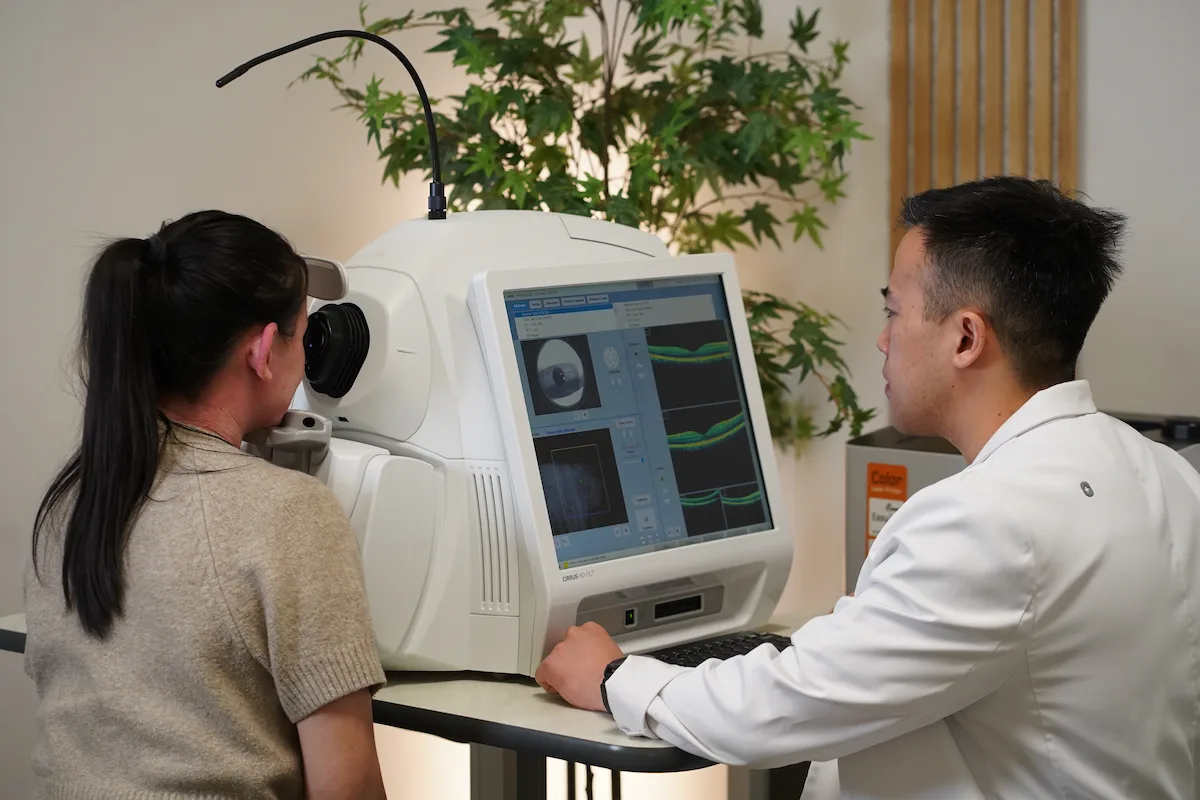
Optical Coherence Tomography (OCT)

The gold standard for glaucoma monitoring. OCT gives us a precise, cross-sectional map of your optic nerve and retinal nerve fiber layer — detecting structural damage that can't be seen with the naked eye, often years before vision loss begins.

Optical coherence tomography OCT machine used for glaucoma monitoring at Stratus Eye in Suwanee, GA

Dilated fundus exam

No image captures depth. No scan replaces this. A dilated exam lets Dr. Tran examine your optic nerve directly — evaluating the cup-to-disc ratio, nerve fiber integrity, and subtle changes that only a trained eye can interpret in three dimensions.

Dr. Jeffrey Tran performing a dilated fundus exam to evaluate the optic nerve at Stratus Eye in Suwanee, GA

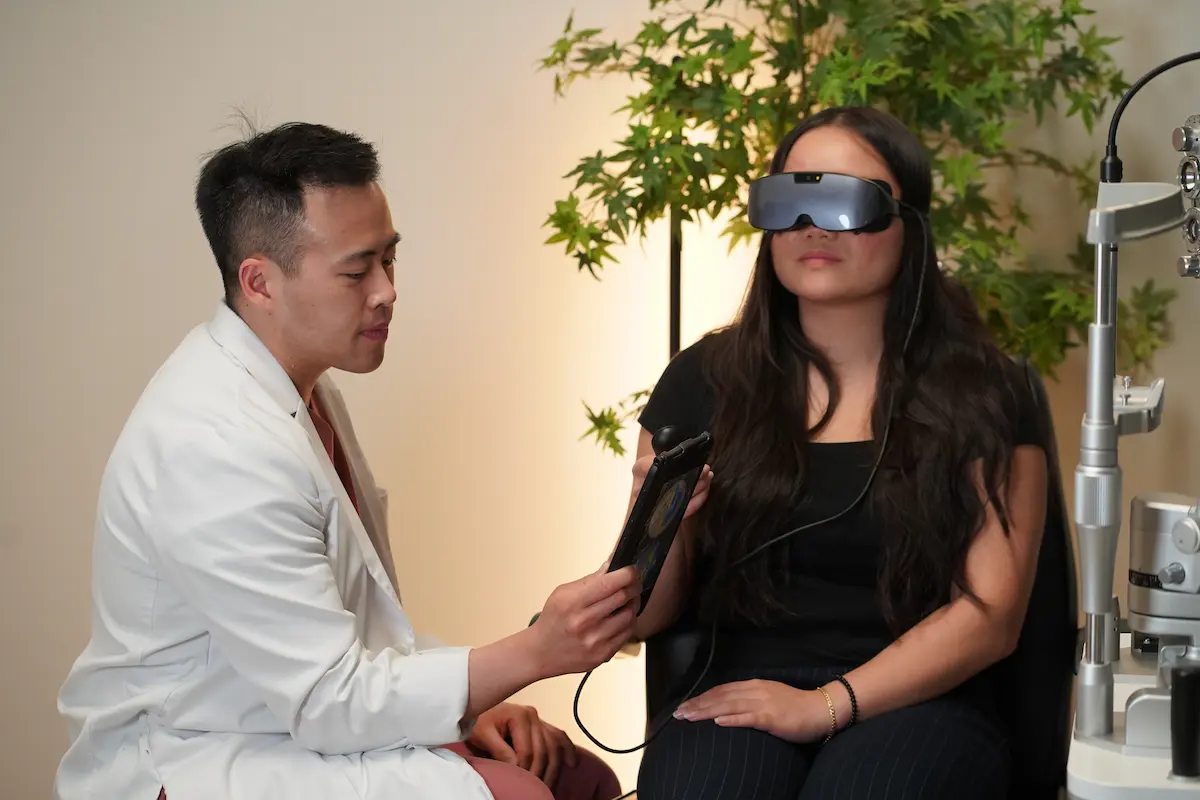
Visual field testing

We use virtual reality-based visual field testing for patient comfort — no chin rest, no darkened room. Same clinical accuracy, significantly better experience, especially for patients who've found traditional perimetry difficult.

Dr. Jeffrey Tran administering virtual reality visual field testing for glaucoma at Stratus Eye in Suwanee, GA

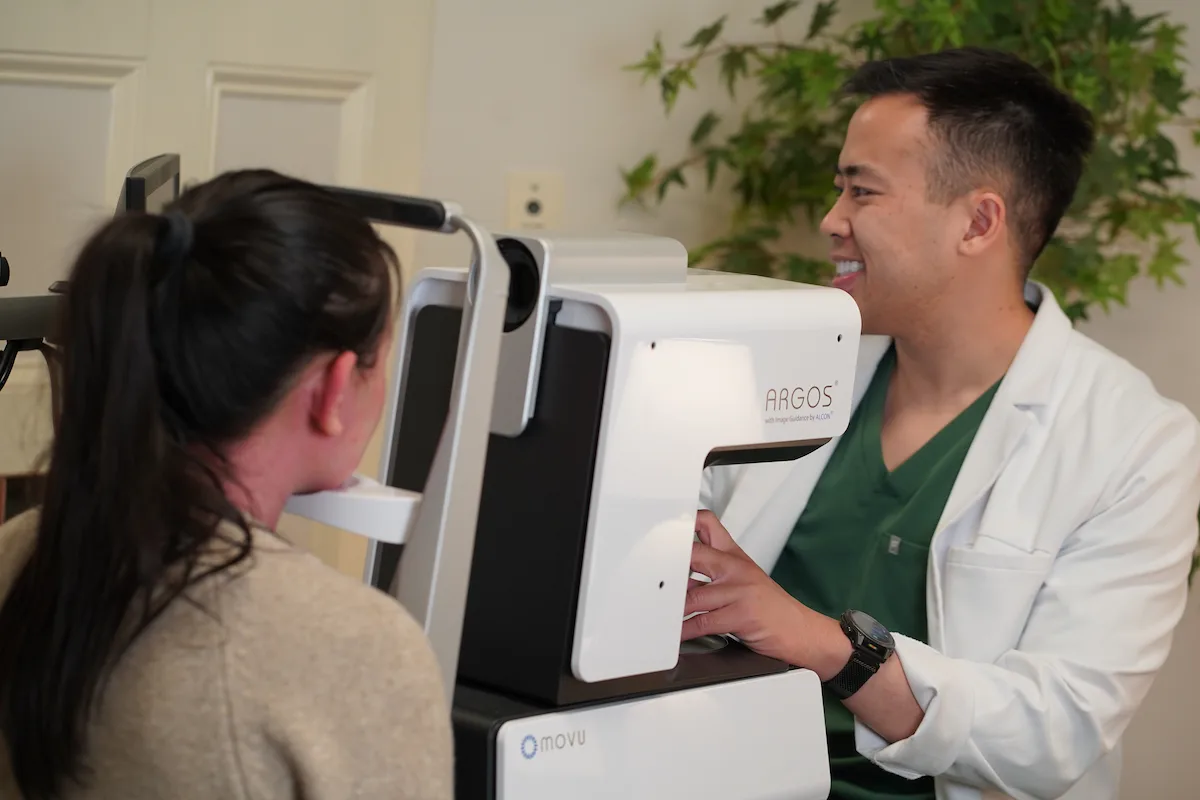
Argos biometry

Used to measure corneal thickness (pachymetry) with precision. Accurate pachymetry matters because it affects how we interpret your eye pressure reading — thin corneas can underestimate true IOP, which directly impacts treatment decisions.

Argos biometry device used for corneal thickness measurement at Stratus Eye in Suwanee, GA
PATIENT EDUCATION

Glaucoma explained by a surgeon millions trust online

Dr. Tran has helped millions better understand glaucoma through clear, practical education. Watch a few short videos before your visit so you can feel more confident, informed, and prepared for your consultation.
Dr. Jeffrey Tran explaining what glaucoma is — patient education video from Stratus Eye in Suwanee, GA
This is what you need to know about glaucoma
A simple, surgeon-led explanation of what glaucoma is, why it matters, and how we protect vision over time.
Dr. Jeffrey Tran demonstrating driving with glaucoma vision loss — patient education video from Stratus Eye in Suwanee, GA
What is like to live with glaucoma? 
A firsthand look at what daily life is like when glaucoma steals your peripheral vision — and why early treatment matters.
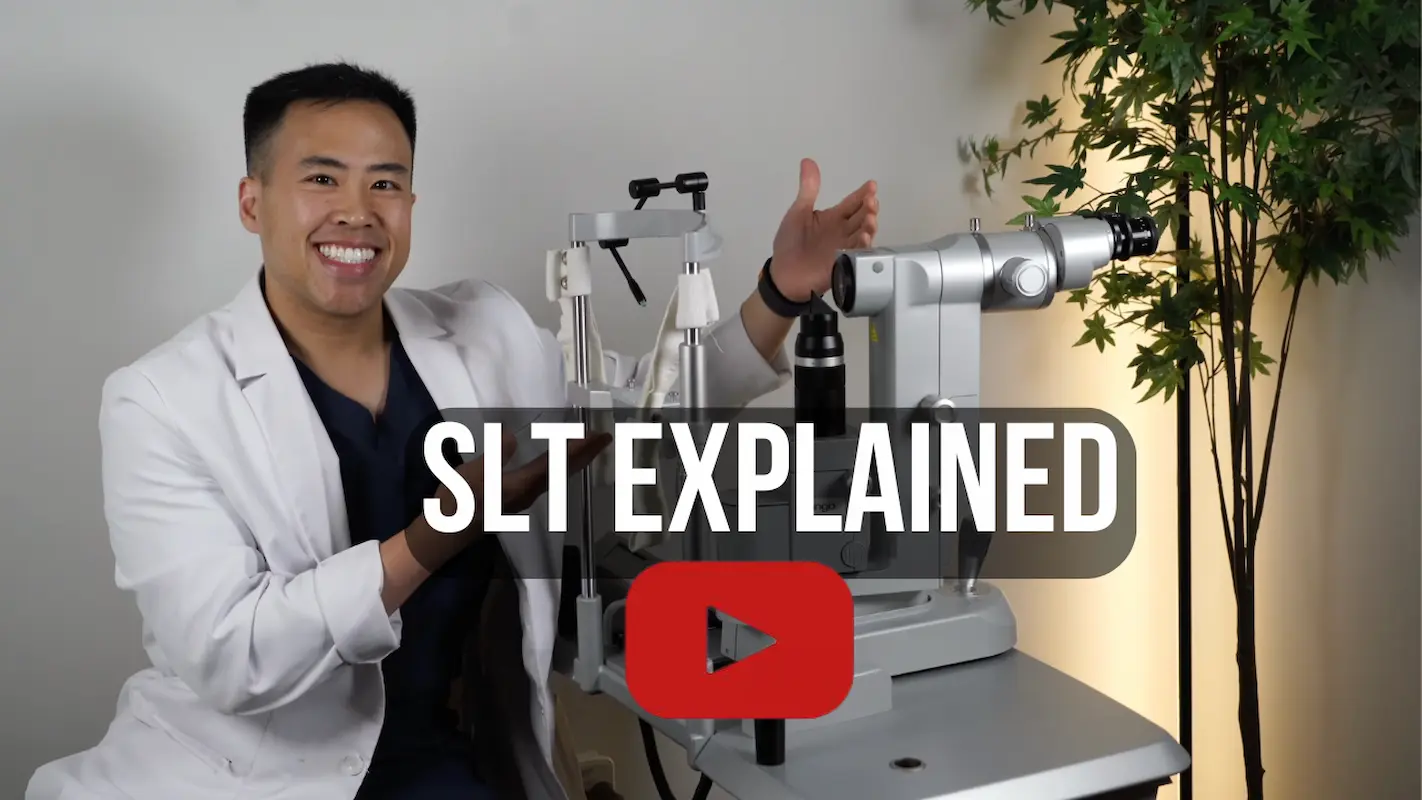
Dr. Jeffrey Tran explaining SLT laser treatment for glaucoma — patient education video from Stratus Eye in Suwanee, GA
Why SLT is one of our best glaucoma treatments
SLT laser is one of the most effective, lowest-risk treatments for glaucoma — and most patients have never heard of it.
5,000,000+ patients educated on YouTube and TikTok

What our patients say

Francine, a cataract surgery patient at Stratus Eye in Suwanee, GA
"I met Dr. Tran at probably the lowest point of my life. He and his staff made me feel comfortable and understanding of what my issue was. Dr. Tran and his staff are very personable, caring and treat people with the utmost respect. I had laser cataract surgery at Stratus Eye. After everything was said and done, I'm now back to 20/20 vision and I couldn't be happier. I would recommend Dr. Tran to anybody that needed help."
Francine Whittaker
Suwanee, GA
StarStarStarStarStar
Thor at Stratus Eye in Suwanee, GA
"Dr. Tran is, by far, the best ophthalmologist I've ever had. I cannot thank Dr. Tran and his wonderful staff enough for their continued excellence and professionalism. I have recommended Dr. Tran to several friends, and all of them have been very satisfied."
Thor Stensland
Alpharetta, GA
StarStarStarStarStar
Dr Tran reviewing results for cataract surgery patient at Stratus Eye in Suwanee, GA
"I had cataract surgery with multifocal lenses put in both eyes with Dr. Jeffrey Tran at Stratus Eye. The surgery went wonderfully. I no longer have to wear glasses. Dr. Tran made sure that I understood the procedure, the timing, and the costs before the surgery. I'm very pleased with my experience."
Stephen Webb
Suwanee, GA
StarStarStarStarStar
Arrow
Arrow

Frequently asked questions about glaucoma

Can glaucoma be cured?

Arrow

No — but it can be controlled. The vision loss glaucoma causes is permanent, which is why early detection and consistent treatment are critical. With the right management, most patients retain functional vision for life.

What happens if I don't treat my glaucoma?

Arrow

Glaucoma is progressive. Without treatment, intraocular pressure continues to damage the optic nerve, leading to permanent peripheral vision loss and eventually blindness. Treatment doesn't restore lost vision — it stops further loss.

What are the first signs of glaucoma?

Arrow

Most patients have none. Glaucoma is called the silent thief of sight because it causes no pain and no noticeable vision changes until significant damage has already occurred. The first sign for most patients is a finding on their eye exam — not a symptom.

How is glaucoma diagnosed?

Arrow

Diagnosis requires a comprehensive eye exam including eye pressure measurement, optic nerve evaluation, OCT imaging of the nerve fiber layer, corneal thickness measurement, and visual field testing. No single test is sufficient — Dr. Tran evaluates all findings together.

What is the difference between open-angle and angle-closure glaucoma?

Arrow

Open-angle glaucoma is the most common form — it develops slowly and silently as drainage in the eye becomes less efficient over time. Angle-closure glaucoma occurs when the drainage angle is physically blocked, causing a sudden spike in pressure. Angle-closure can be an emergency requiring immediate treatment.

What is SLT laser and how does it work?

Arrow

Selective laser trabeculoplasty (SLT) is an in-office procedure that uses targeted laser energy to improve fluid drainage from the eye, lowering intraocular pressure. It takes less than 5 minutes, requires no incisions, and has no recovery downtime. It's often recommended when eye drops aren't achieving adequate pressure control.

What is MIGS surgery?

Arrow

Minimally invasive glaucoma surgery (MIGS) refers to a group of surgical procedures designed to lower eye pressure with less risk and faster recovery than traditional glaucoma surgery. Dr. Tran performs MIGS for patients who need more pressure reduction than drops or laser alone can provide.

Will I need eye drops forever?

Arrow

Many glaucoma patients start with eye drops and remain on them long-term. However, SLT laser can reduce or eliminate the need for drops in some patients, and MIGS surgery can significantly lower pressure with less reliance on medication. Dr. Tran will discuss the right approach based on your specific pressure targets and disease stage.

Is glaucoma hereditary?

Arrow

Yes — family history is one of the strongest risk factors for glaucoma. If a first-degree relative has glaucoma, your risk is significantly higher than average. This makes regular screening especially important, even if you have no symptoms.

Can I go blind from glaucoma?

Arrow

Untreated or poorly controlled glaucoma can lead to blindness. It is one of the leading causes of irreversible blindness worldwide. However, with early detection and consistent treatment, the vast majority of patients retain functional vision for life.

How often do I need to be monitored for glaucoma?

Arrow

Most patients are seen every 3–6 months depending on disease severity and how well pressure is controlled. Glaucoma requires lifelong follow-up — visual field tests and OCT imaging track progression over time. Staying consistent with monitoring is the single most important thing a glaucoma patient can do.

Does glaucoma affect both eyes?

Arrow

Usually yes, though it often affects one eye more than the other. It's common for glaucoma to be more advanced in one eye at diagnosis. Both eyes are evaluated and treated independently based on their individual pressure levels and nerve status.

SERVING NORTH ATLANTA

Glaucoma care for patients across North Atlanta

Stratus Eye is proud to serve glaucoma patients from across the North Atlanta region. Whether you're coming from Suwanee, Johns Creek, Duluth, Alpharetta, Cumming, Buford, Sugar Hill, Gainesville, or Lawrenceville, Dr. Tran provides comprehensive glaucoma evaluation and treatment — from diagnosis and eye drops to in-office SLT laser and minimally invasive surgery. Most patients tell us the peace of mind from a thorough glaucoma evaluation was worth the drive.

TAKE THE NEXT STEP
Schedule a glaucoma evaluation at Stratus Eye in Suwanee, GA — Dr. Jeffrey Tran

Protect your vision today.

A glaucoma evaluation with Dr. Tran is the first step. We'll measure your eye pressure, image your optic nerve, test your visual field, and give you a clear picture of where you stand — with no pressure and no obligation. If treatment is needed, we offer everything from eye drops to in-office SLT laser to minimally invasive surgery, all under one roof. Most patients leave their evaluation with answers they've never had before.