The starting point for almost every eyelid condition. Consistent heat softens blocked meibomian gland secretions and helps restore normal oil flow. Most patients are not doing this correctly. Dr. Tran provides specific technique and timing guidance to make it actually effective.

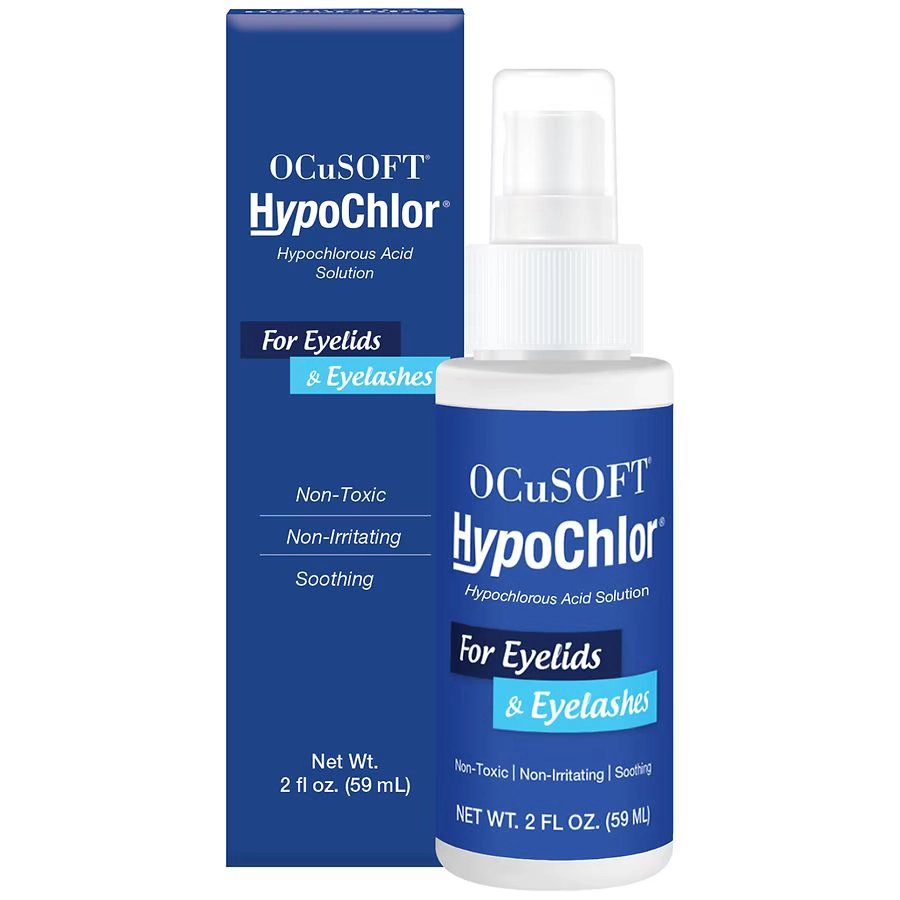
A gentle over the counter antimicrobial spray applied to closed eyelids that reduces bacterial load and inflammation along the lid margin without irritating the eye. Used daily as a core part of eyelid hygiene for patients with blepharitis, MGD, or recurring styes.

Tea tree oil has natural anti-demodex properties and is the recommended first line cleanser for patients with collarettes or suspected demodex overpopulation. Available over the counter in lid wipe and foam formulations. Consistency matters more than concentration.

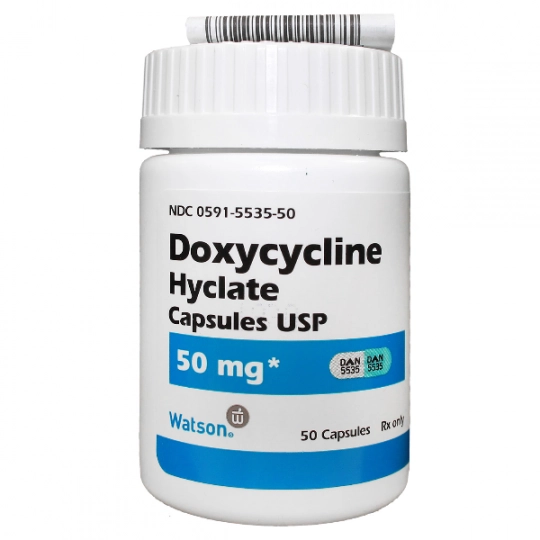
An oral antibiotic with potent anti-inflammatory properties that targets the meibomian gland dysfunction driving most chronic eyelid disease. Unlike topical treatments, doxycycline works systemically to reduce the inflammation inside the glands themselves. Dr. Tran uses it regularly for patients with moderate to severe MGD, chronic blepharitis, or recurring styes that have not responded to lid hygiene alone.

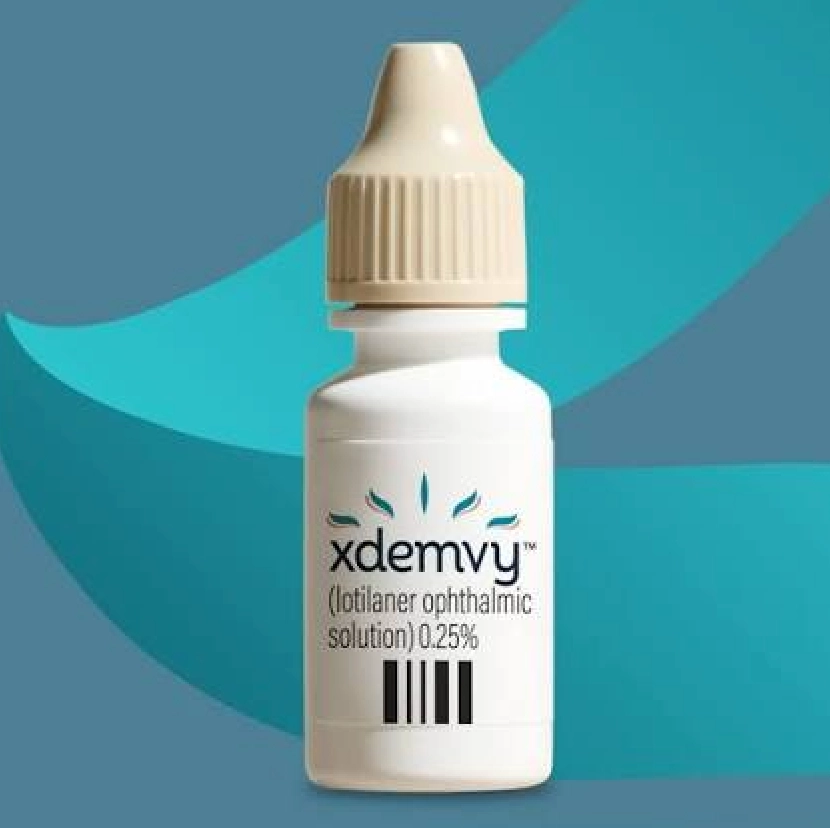
The first and only FDA approved prescription eye drop specifically designed to eliminate demodex blepharitis. Xdemvy targets the mites directly at the lash line, reducing the infestation that drives chronic lid inflammation, recurring styes, and chalazions. For patients who have collarettes or a history of treatment resistant eyelid disease, Xdemvy is often the missing piece. Dr. Tran prescribes it based on clinical findings, not as a first reach.


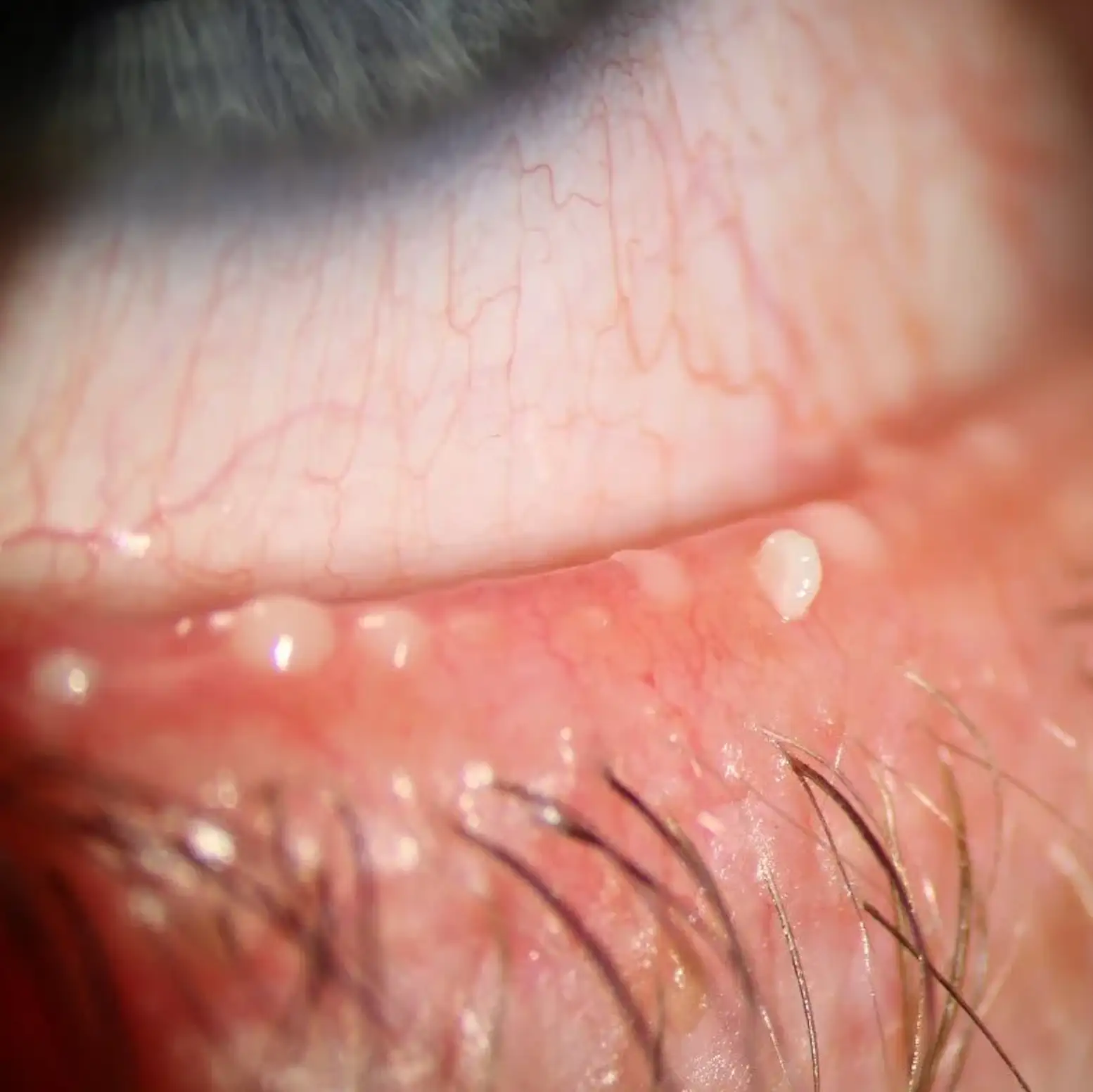
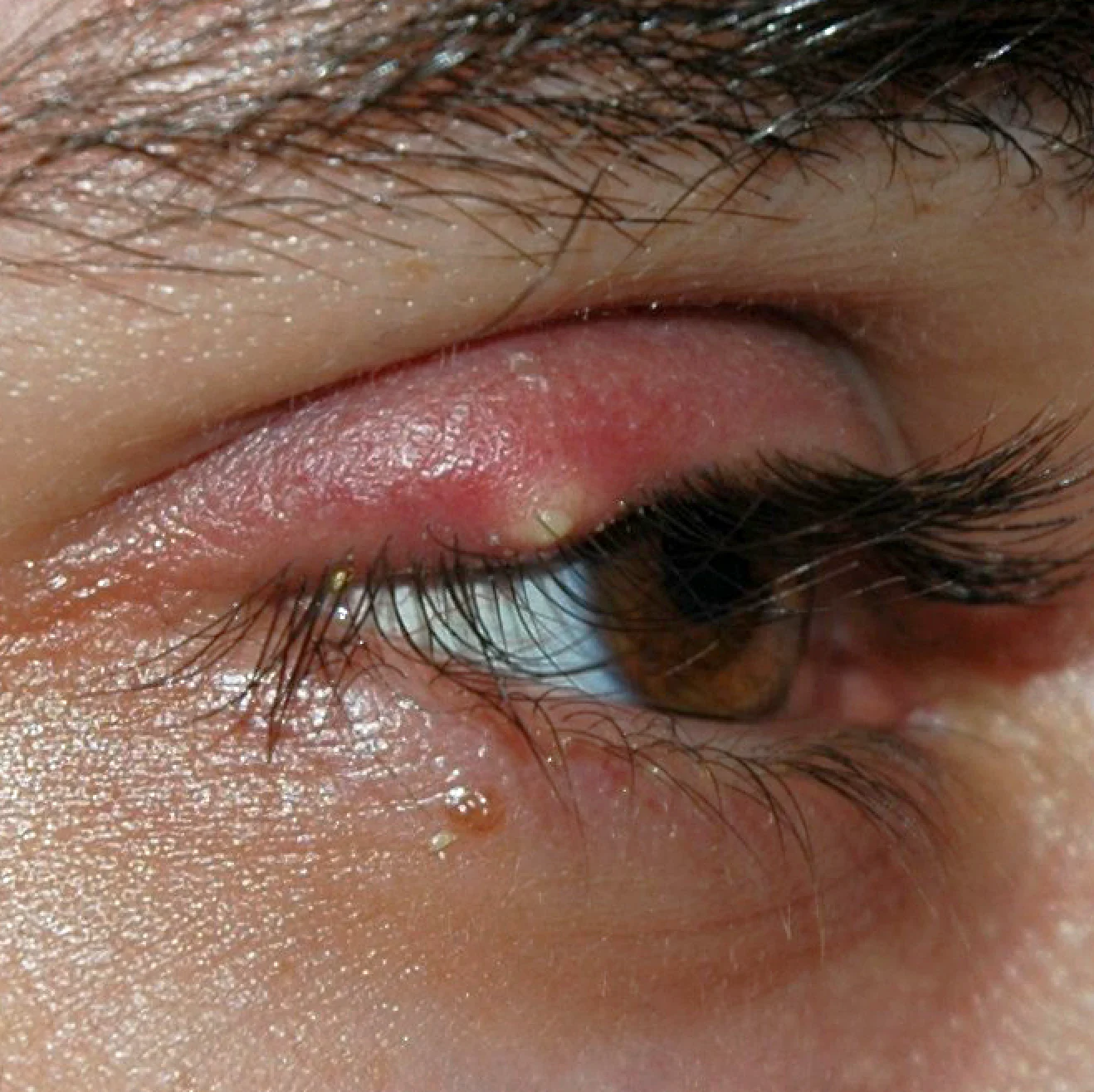
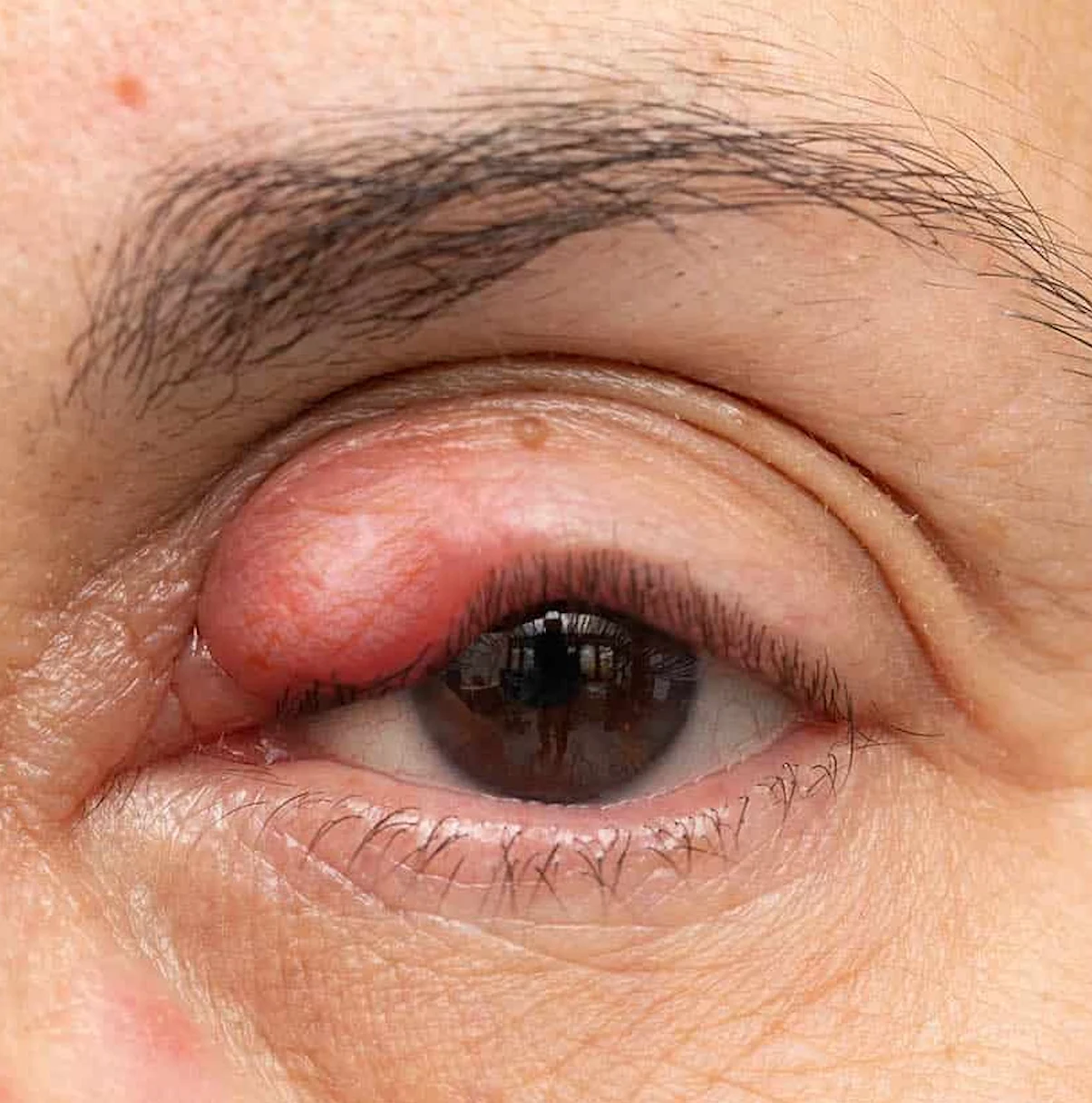
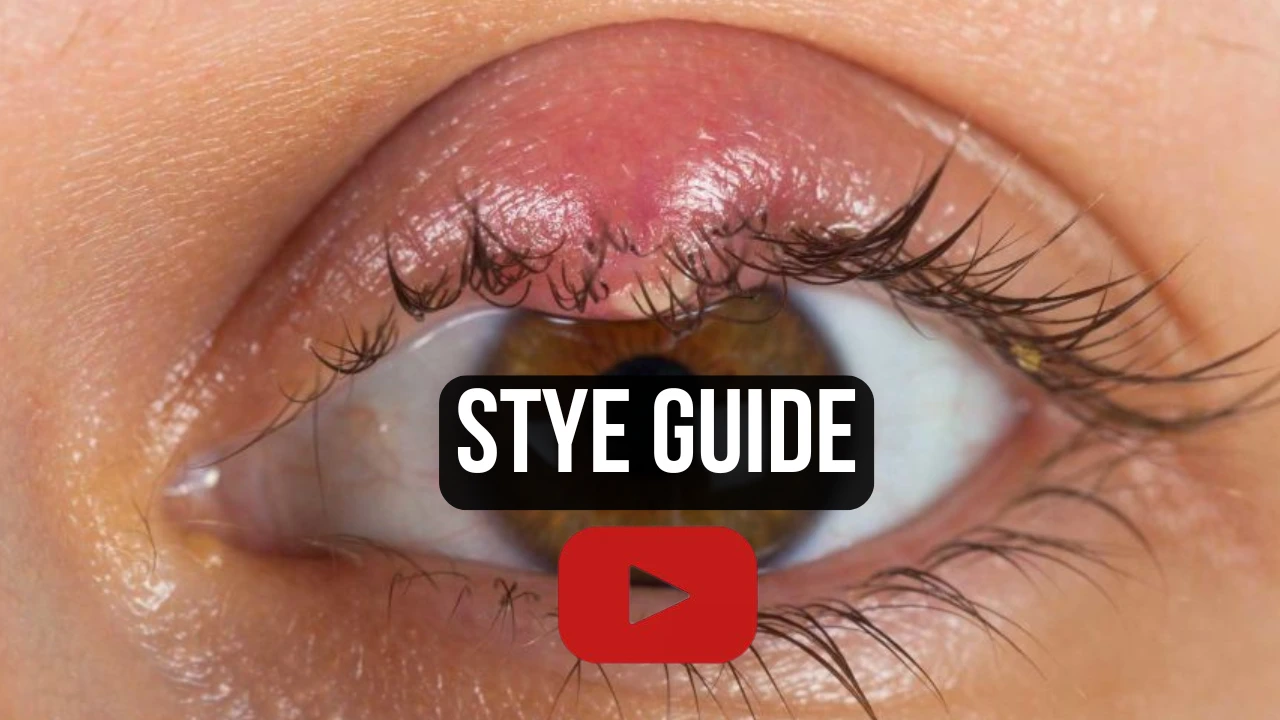
A stye is a painful, red, infected lump that appears quickly along the eyelid margin. A chalazion is a firm, painless lump that forms when a stye does not fully resolve and the blocked gland leaves behind thickened inflammatory material. Styes are acute and tender. Chalazions are chronic and generally not painful. Both originate from a blocked meibomian gland, which is why they often occur in the same patients repeatedly.

Recurring styes in the same location almost always indicate underlying meibomian gland dysfunction, demodex blepharitis, or chronic blepharitis that has not been identified or treated. The gland stays blocked, the bacteria persist, and the cycle continues. Treating only the active stye without addressing the underlying cause is why most patients see it come back. An eyelid evaluation is the right next step for anyone on their second or third recurrence.

Meibomian gland dysfunction (MGD) occurs when the oil-producing glands along the eyelid margin become blocked or stop functioning normally. These glands produce the oily layer of the tear film that prevents evaporation. When they degrade, tears evaporate too quickly and the ocular surface becomes chronically inflamed. MGD is responsible for the majority of chronic dry eye cases.

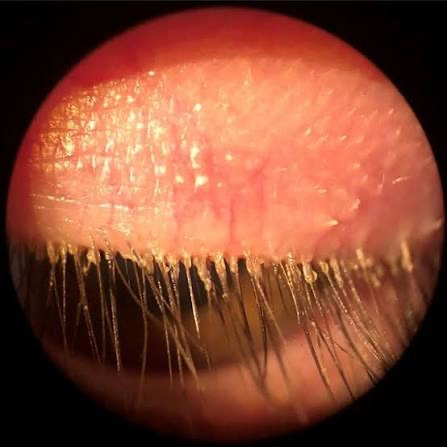
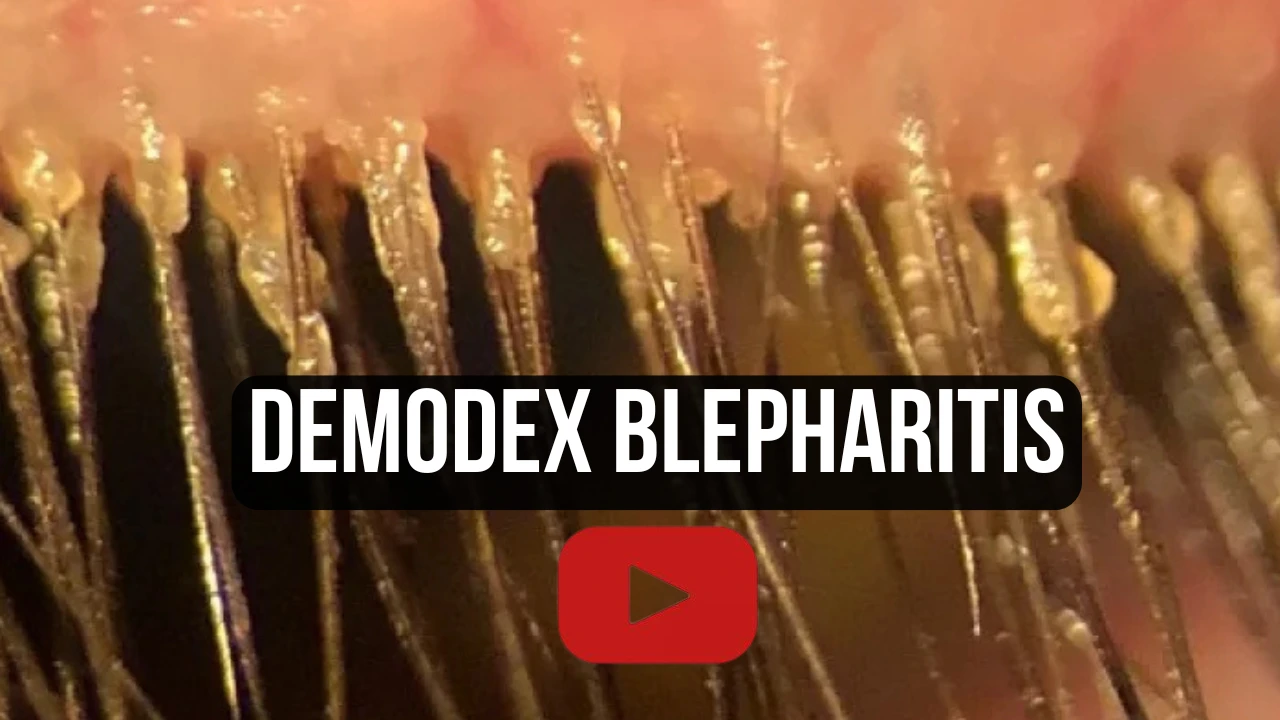
Demodex are microscopic mites that live on the eyelash follicles. In small numbers they are normal. When they overpopulate, they cause chronic inflammation along the eyelid margin, block meibomian glands, and contribute to recurring styes, chalazions, and dry eye symptoms. The hallmark sign is collarettes — waxy cylindrical deposits at the base of the lashes that cannot be removed with standard hygiene. Many patients with treatment resistant eyelid disease have never been evaluated for demodex.

Collarettes are waxy, cylindrical deposits that form at the base of the eyelashes as a result of demodex overpopulation. They are not removable with standard lid hygiene and are a reliable clinical sign that demodex is active. If Dr. Tran finds collarettes at your eyelid evaluation, it changes the treatment plan significantly — standard blepharitis management alone is not enough when demodex is present.

Yes, but technique and consistency matter more than most patients realize. The compress needs to be hot enough and held long enough to soften the blocked gland secretions. Most patients are not doing this correctly. Dr. Tran provides specific guidance on temperature, duration, and frequency. For early styes and small chalazions, consistent warm compress therapy is often enough to resolve the problem without additional treatment.

Hypochlorous acid is a gentle antimicrobial spray applied to closed eyelids that reduces bacterial load and inflammation along the lid margin without irritating the eye. It is available over the counter and is used as part of a daily lid hygiene routine for patients with blepharitis, MGD, or recurring styes. It is not a treatment for active infection but an effective maintenance tool for preventing recurrence.

Xdemvy is the first and only FDA approved prescription eye drop specifically designed to eliminate demodex blepharitis. It targets the mites directly at the lash line over a six week treatment course. Dr. Tran prescribes it for patients with confirmed demodex based on clinical findings such as collarettes and treatment resistant eyelid disease. It is not a first line treatment for every stye patient but is often the missing piece for those who have not responded to standard management.

Low dose doxycycline is an oral antibiotic used at a sub-antimicrobial dose specifically for its anti-inflammatory properties. It targets the chronic inflammation inside the meibomian glands that drives MGD, blepharitis, and recurring eyelid disease. At the doses used for eyelid disease, it is not treating a bacterial infection — it is reducing the gland inflammation that makes the eyelid environment prone to styes and chalazions. Dr. Tran uses it regularly for patients with moderate to severe MGD who have not responded to lid hygiene alone.

Small chalazions often resolve with consistent warm compresses and gentle lid massage, particularly when caught early. Larger ones or those present for more than a month are significantly less likely to resolve without additional intervention. If a chalazion has been present for several months and is not responding to home treatment, an evaluation is appropriate. Leaving a large chalazion untreated can affect vision if it presses on the cornea and increases the likelihood of recurrence.

Yes. Untreated blepharitis, MGD, and demodex increase the risk of infection after cataract surgery and can affect the accuracy of pre-surgical measurements used to select the intraocular lens. At Stratus Eye, eyelid health is evaluated as part of the pre-surgical workup for cataract patients. Optimizing the ocular surface and eyelid margin before surgery leads to more accurate lens selection and a lower risk of post-operative complications.

Dr. Tran examines the eyelid margin, meibomian gland openings, lash line, and ocular surface to identify what is driving your symptoms. He looks specifically for signs of MGD, demodex, and blepharitis rather than just evaluating the current stye or chalazion. You will leave with a clear understanding of what is causing the problem and a specific treatment plan — not a recommendation to use more warm compresses and wait.
Stratus Eye provides eyelid, blepharitis, MGD, styes, and chalazion evaluation and treatment for patients across the North Atlanta region. Whether you're coming from Suwanee, Johns Creek, Duluth, Alpharetta, Cumming, Buford, Sugar Hill, Gainesville, or Lawrenceville, Dr. Tran will identify the specific cause of your eyelid disease and build a treatment plan around it — not a generic protocol. Most patients tell us the evaluation alone gave them answers they hadn't gotten anywhere else.